

Key Takeaways
Understanding the Lien on Your Vehicle
When you finance a car, your lender places a lien on the vehicle's title. This legal claim means the lender - not you - holds the title until the loan is paid in full. You cannot legally transfer clean ownership to a buyer while a lien is active. For a deeper look at how titles and liens work across different states, see our guide to vehicle registration, titles, and liens.
Before listing your car, you need two key figures: your current payoff amount (what it costs to satisfy the loan today) and your car's market value. The payoff amount is slightly different from your remaining balance because it may include accrued interest up to a specific date. Contact your lender directly - most provide a payoff quote valid for 10-30 days.
Get Your Payoff Quote Before Pricing
Many sellers price their car based on market value alone, then discover the payoff amount is higher than expected. Always get the official payoff figure first - it's the foundation of every financial decision in this process. Payoff amounts can differ meaningfully from your remaining balance due to daily interest accrual.
The difference between these two numbers determines your equity position. If your car is worth more than you owe, you have positive equity and the sale proceeds cover the payoff cleanly. If you owe more than the car is worth, that gap - called negative equity or being "underwater" - must be resolved before the title can transfer. This is one of the financial realities discussed in our overview of auto loan options.
Two Sale Paths: Private Buyer vs. Dealership Trade-In
Selling to a private buyer typically yields a higher sale price, but it requires more coordination around the payoff. You and the buyer must arrange for the lender to receive the payoff funds and release the title - often handled through an escrow arrangement or by completing the transaction at the lender's local branch, if one exists.
Trading in at a dealership is simpler operationally. The dealership pays off your loan directly as part of the transaction. However, if you have negative equity, dealers often roll that balance into the financing for your next vehicle - increasing what you'll owe going forward. Understanding how that affects your credit and debt load is worth considering; our article on how auto financing affects your credit score explains the downstream effects.
Never Transfer Keys Before the Lien Clears
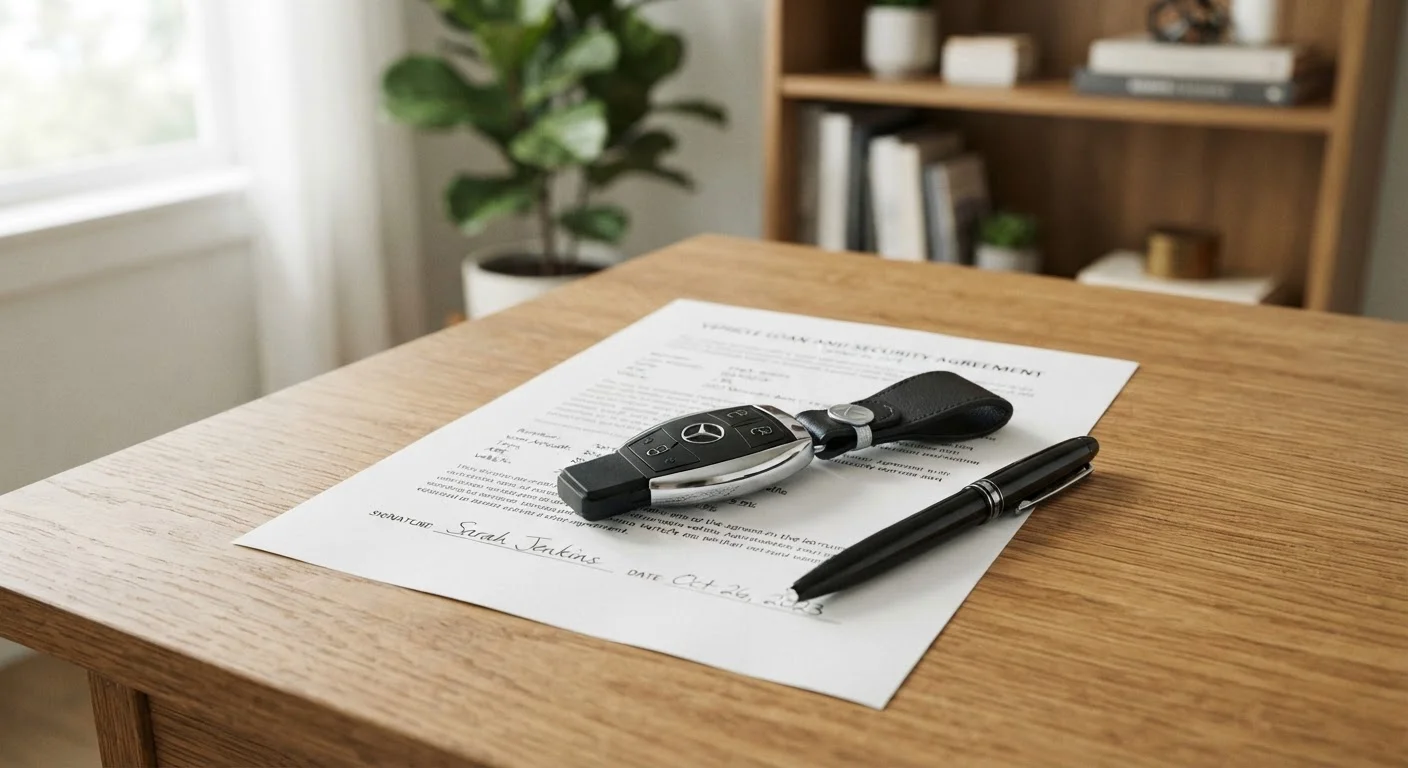
Handing over a vehicle before the lien is officially released can leave you legally responsible for a car you no longer possess. If the buyer fails to follow through on payoff arrangements, you remain on the hook for the loan. Always confirm lien release in writing before completing the handoff.
Whichever path you choose, never hand over the keys or accept payment before confirming the lien has been released and a clean title is ready to transfer. Doing so can create significant legal and financial complications for both parties.
Step-by-Step: How to Sell Your Financed Car
Follow these steps in order to complete the sale legally and protect both you and the buyer throughout the process.
What you will need
Request an Official Payoff Quote
Call or log in to your lender's online portal and request a formal payoff quote. Ask for the amount good through a specific date - typically 10 to 30 days out - to give yourself a realistic window to complete the sale. Write down the payoff address and any wire or certified payment instructions, as lenders often require payment in a specific form.
Determine Your Equity Position
Compare the payoff amount to your car's current market value. Use established automotive valuation resources to get a realistic figure - not a best-case estimate. If you have positive equity, the sale proceeds will cover the payoff and potentially leave you a surplus. If you have negative equity, calculate exactly how much you'll need to contribute out of pocket to satisfy the loan.
Choose Your Sale Method
Decide whether you'll sell privately or trade in at a dealership. Private sales generally return more money but require you to manage the payoff coordination yourself. Dealership trade-ins handle the payoff for you but may offer less for the vehicle. Factor in your equity position, timeline, and comfort with the paperwork involved.
Coordinate the Payoff with Your Lender
For a private sale, work with your lender to establish a payment and title-release process. Some lenders allow the buyer to send the payoff directly; others require the seller to pay first, then receive the title to pass on. For a dealership trade-in, the dealer will contact your lender directly and handle payoff as part of the transaction paperwork.
Complete the Title Transfer
Once the lien is released, the lender will either mail the clean title to you or electronically update the title with your state's DMV. Sign the title over to the buyer according to your state's requirements - this usually involves signing the back of the title, recording the odometer reading, and potentially completing a bill of sale. Submit any required transfer paperwork to your DMV promptly to formally end your ownership liability.
This article provides general financial and legal information about selling a financed vehicle. It is not a substitute for personalized legal or financial advice. Requirements vary by state - always verify current rules with your state's DMV and consult a qualified professional for guidance specific to your situation. For broader context on managing auto-related debt, visit our saving and debt resource hub.