

Key Takeaways
Needs vs. Wants
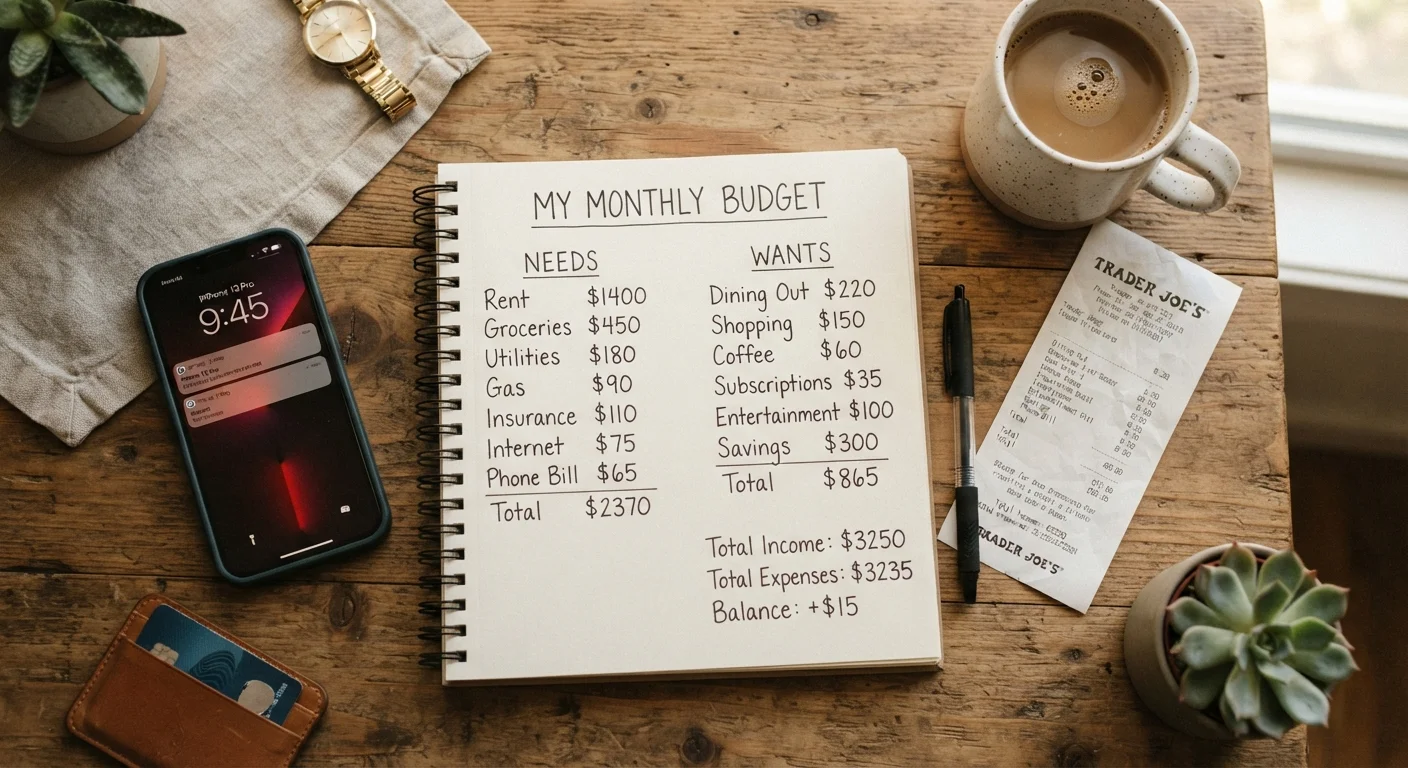
In personal budgeting, a 'need' is an expense required for basic survival and functioning - shelter, food, utilities, and transportation to work. A 'want' is anything beyond that baseline that improves comfort or enjoyment but isn't essential to getting by. The distinction matters because it shapes how you prioritize spending when money is tight.
The 50/30/20 budgeting framework popularized by Senator Elizabeth Warren in 'All Your Worth' uses this split as its foundation, allocating 50% of after-tax income to needs, 30% to wants, and 20% to savings and debt repayment.
Why This Distinction Is Harder Than It Looks
Most people can agree that rent is a need and a designer handbag is a want. The harder cases live in the middle - the streaming subscription you use daily, the car payment for a vehicle nicer than strictly necessary, the gym membership that keeps your stress in check. These gray-zone expenses are where budgets quietly fall apart.
The distinction matters because it drives every prioritization decision you make with limited money. If you routinely label wants as needs, your budget math looks fine on paper but doesn't reflect reality - and you end up confused about why the numbers never quite work out. See our guide to budgeting on a tight margin for how this plays out when there's almost nothing left over each month.
Needs Aren't Always Cheap
It's tempting to assume needs are low-cost and wants are luxuries, but that's not always true. Rent, childcare, prescription medications, and car insurance can be genuine needs that consume a large portion of income. High cost doesn't make something a want - and recognizing that helps you avoid misplaced guilt about where your money goes.
A Practical Framework for Sorting Your Expenses
Rather than debating each purchase philosophically, ask two grounding questions:
- What happens if I cut this? If skipping it creates a genuine hardship - you can't get to work, you lose housing, your health deteriorates - it's likely a need. If life continues without serious disruption, it's probably a want.
- Am I paying for the basic function or the upgraded version? Groceries are a need. Organic specialty items from a premium market every week edge toward want territory. Transportation to work is a need. A newer-model car with a higher monthly payment than an equally reliable used one is partly a want.
This framework won't resolve every edge case, but it creates an honest starting point. Strict budget categories can help enforce this discipline, though they come with trade-offs worth understanding before committing.
50%
Recommended share of income for needs
The 50/30/20 budgeting framework suggests needs should consume no more than half of after-tax income, though housing costs alone exceed this in many U.S. metros.
~35%
Average share of spending on housing alone
According to the U.S. Bureau of Labor Statistics Consumer Expenditure Survey, housing regularly accounts for around a third of average household expenditures.
57%
Americans living paycheck to paycheck
Various consumer surveys have consistently found that a majority of U.S. adults report little financial cushion, making the needs-vs-wants distinction especially consequential.
Context Changes Everything
The same expense can fall on different sides of the line depending on who's spending it. A car is a clear need for someone commuting to a rural job with no public transit. For someone in a walkable city with reliable transit options, it tilts toward a want. Childcare is a need for a working single parent; a second weekly babysitter for date nights is a want.
This isn't a loophole to justify any expense as a need - it's a reminder that blanket rules only go so far. Your budget should reflect your actual life, not an idealized version of someone else's. For couples navigating shared finances, those context calls get more complicated. See how to split bills fairly with a partner for a closer look at those dynamics.
Building a Budget That Honors Both Categories
A workable budget doesn't treat wants as moral failures - it simply separates them clearly and funds them deliberately. Once your needs are covered and savings goals are addressed, money allocated to wants is money you've earned the right to spend. The problem isn't having wants; it's spending on them before needs and savings are secured.
The 50/30/20 rule and other budgeting methods each use some version of this needs-first logic as their backbone. Understanding the concept is what makes any method usable. And developing the honesty to sort your spending accurately is part of what living within your means actually requires day to day.
Try a 30-Day Expense Audit
Pull your last month of bank and credit card statements and label every transaction as either N (need) or W (want). Don't judge - just categorize honestly. Many people discover that 10-20% of their spending sits in the want column but has been mentally filed as necessary. That gap is often where meaningful budget room hides.
This article is for general informational purposes only and does not constitute personalized financial advice. For guidance tailored to your situation, consider consulting a qualified financial professional.