

Pets & Animals

Annual Cat Care Checklist: Vet Visits, Vaccines, and Preventive Tasks

Share
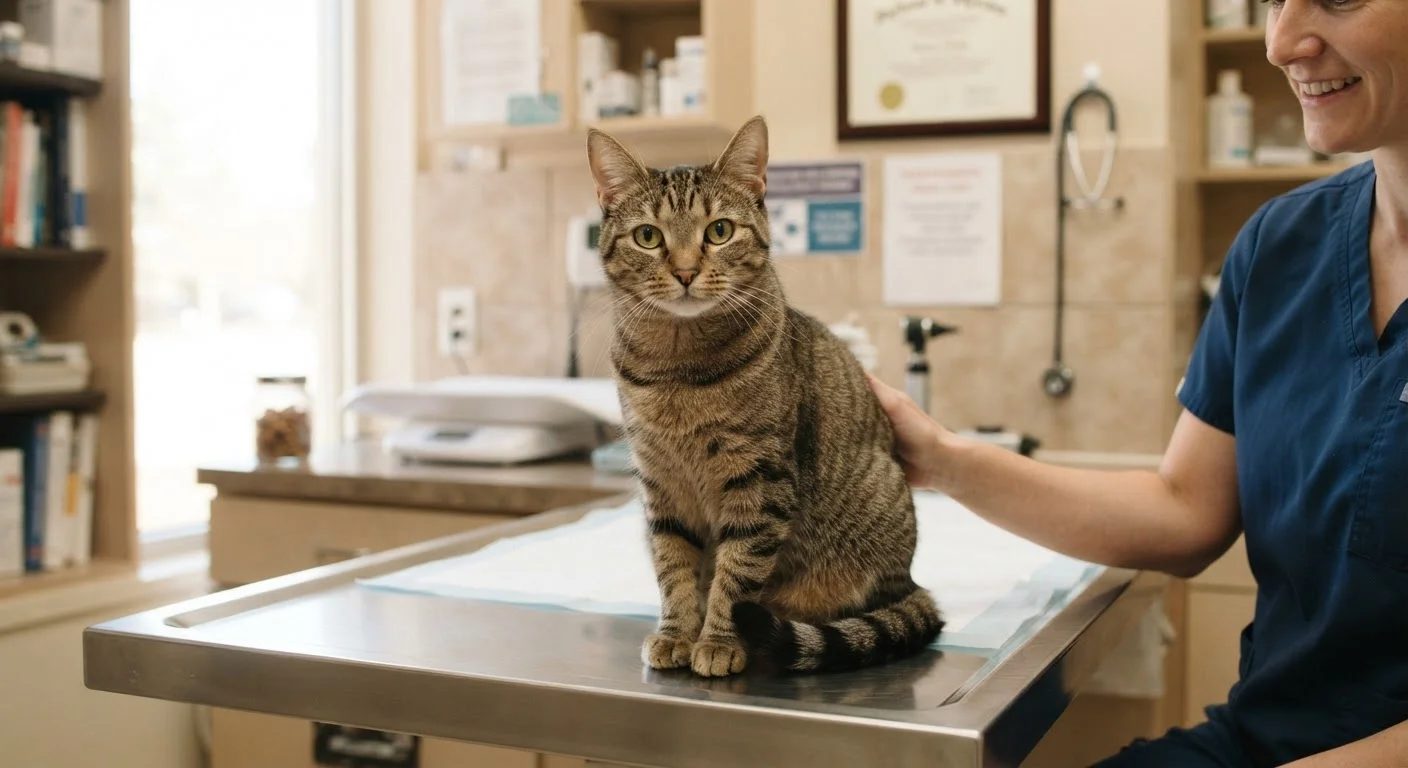
A calm domestic cat sitting on a veterinary examination table during a wellness checkup.

Key Takeaways

Most adult cats need at least one comprehensive wellness exam per year; senior cats generally benefit from twice-yearly visits.
Core vaccines — rabies and FVRCP — follow schedules set by your veterinarian based on your cat's lifestyle and risk factors.
Year-round parasite prevention for fleas, ticks, and heartworm is recommended by most veterinary organizations.
Dental disease affects a large majority of cats by age three, making oral health checks a non-negotiable annual task.
Microchipping and keeping ID records current is a simple step with a significant impact on reuniting lost cats with their owners.
20–40 min

Summary

22 items · 20–40 minutes to review and schedule

Why a Structured Annual Checklist Matters for Cats

Cats are famously stoic animals — they rarely display pain or illness overtly until a condition has progressed. That makes proactive, calendar-driven care especially important. Rather than reacting to symptoms, a structured annual checklist lets you stay ahead of preventable problems, catch subtle changes early, and build a detailed health history your veterinarian can use over your cat's lifetime.

Think of this checklist the same way you'd approach seasonal home maintenance: routine attention prevents costly emergencies later. The tasks below are organized into logical groups — from veterinary appointments and vaccines to environmental and behavioral health — so you can work through them systematically rather than trying to remember everything at once.

For cats older than ten years, needs shift considerably. See our companion guide on how aging cats' needs change after age 10 for senior-specific guidance beyond what this general checklist covers.

Never Use Dog Parasite Products on Cats

Several common canine flea and tick preventives — particularly those containing permethrin — are acutely toxic to cats and can be fatal even in small amounts. Always confirm that any parasite prevention product is specifically labeled safe for cats, and consult your veterinarian before starting any new preventive medication.

What You'll Need Before You Start

Before working through the checklist, gather a few key resources so nothing gets overlooked. Having your cat's records organized makes vet appointments more productive and helps you spot gaps in care.

Required

Vaccination & Vet Records Folder

Stores your cat's complete health history, vaccine certificates, and microchip registration details in one accessible place.

Required

Cat-Specific Toothbrush and Toothpaste

Used for at-home dental hygiene; human toothpaste contains ingredients toxic to cats and must never be substituted.

Required

Breakaway Collar with ID Tag

Provides visible identification for indoor-outdoor cats; breakaway design prevents strangulation if the collar catches on something.

Optional

Pet Weight Scale or Baby Scale

Allows you to track your cat's weight at home between vet visits to spot gradual changes early.

Required

Carrier Trained for Travel

A carrier your cat is comfortable with reduces stress during transport to vet appointments and in emergencies.

The Full Annual Checklist

Work through each group below at least once a year. Items marked must are considered non-negotiable by most veterinary guidelines; should items are strongly recommended for most cats; nice to have items add meaningful value when resources allow.

Veterinary Visits & Exams

Schedule at least one comprehensive wellness exam with a licensed veterinarian each year for adult cats. Must
Book twice-yearly exams for cats aged 7 and older, as age-related changes can develop quickly. Must
Request a full physical nose-to-tail assessment including lymph node palpation, heart and lung auscultation, and abdominal palpation. Must
Ask your vet to review bloodwork and urinalysis results annually, particularly for cats over 7 to screen for kidney disease and thyroid changes. Should

Vaccinations

Confirm that your cat's rabies vaccine is current according to your veterinarian's recommended schedule and local regulations. Must
Verify FVRCP (feline viral rhinotracheitis, calicivirus, and panleukopenia) vaccine status and update as recommended. Must
Discuss feline leukemia virus (FeLV) vaccination with your vet if your cat goes outdoors or lives with other cats of unknown status. Should

Parasite Prevention

Maintain a year-round flea and tick prevention protocol using a veterinarian-recommended product appropriate for cats — never use dog-labeled products on cats. Must
Ask your veterinarian about heartworm prevention, especially if your cat spends any time outdoors, as there is no approved treatment for feline heartworm disease. Must
Have your cat tested or treated for intestinal parasites annually, or if you notice changes in stool, appetite, or weight. Should

Dental & Oral Health

Have your veterinarian assess your cat's teeth and gums during the annual exam and discuss whether a professional dental cleaning is indicated. Must
Brush your cat's teeth at home at least several times per week using cat-specific toothpaste — never human toothpaste. Should
Ask about veterinary-approved dental chews or water additives as supplemental oral hygiene tools. Nice to have

Identification & Records

Confirm your cat is microchipped and that the chip's registration is current with your correct contact information. Must
Keep a physical or digital copy of your cat's vaccination records, microchip number, and veterinary history in an accessible location. Must
Ensure your cat wears a properly fitted breakaway collar with an ID tag listing current contact details. Should

Weight, Nutrition & Environment

Weigh your cat at home or at the vet at least twice a year and discuss any significant changes with your veterinarian. Must
Review your cat's diet and feeding amounts annually, adjusting for age, activity level, and any diagnosed health conditions. Should
Audit the home environment for hazards: toxic houseplants, accessible chemicals, unsecured cords, and small swallowable objects. Should
Add or rotate enrichment options — puzzle feeders, climbing structures, window perches — to support mental stimulation year-round. Nice to have

Watch for These Easy-to-Miss Warning Signs

Changes in litter box habits, unexplained weight loss, increased thirst, hiding more than usual, and changes in coat quality can all signal underlying health problems in cats. Because cats instinctively mask illness, these subtle shifts often appear before obvious symptoms. Report any of these observations to your veterinarian promptly rather than adopting a wait-and-see approach.

If you're ever unsure whether a symptom warrants a call to your vet or a same-day visit, err on the side of calling. Cats can decline quickly once illness becomes visible. For a broader picture of what responsible cat ownership involves day-to-day, our guide on responsible cat ownership covers feeding, enrichment, and long-term planning in depth.

This article is for general informational purposes only and does not constitute veterinary medical advice. Always consult a licensed veterinarian for guidance specific to your cat's health, age, and lifestyle.

Pets & Animals Editorial Team is the collective byline for our editorial team and contributor network. Articles published under this byline or an editorial pen name are researched, written, and reviewed according to our editorial standards for clarity, consistency, and independence before publication.

View all articles by Pets & Animals Editorial Team →
Disclaimer: The content provided on our blog site traverses numerous categories, offering readers valuable and practical information. Readers can use the editorial team’s research and data to gain more insights into their topics of interest. However, they are requested not to treat the articles as conclusive. The website team cannot be held responsible for differences in data or inaccuracies found across other platforms. Please also note that the site might also miss out on various schemes and offers available that the readers may find more beneficial than the ones we cover.