

| Number of fare class letters used industry-wide | Up to 26 (A-Z) (IATA reservation standards) |
| Typical full-fare economy code | Y (Widely adopted convention across major U.S. carriers) |
| Common basic economy codes | N, G, or O (varies by airline) (Carrier-specific; always verify with your airline) |
| Award ticket common codes | X, I, or Z (Carrier-specific inventory codes) |
| Mileage earn on deep-discount fares | 25%-50% of miles flown (Typical range; actual rates vary by carrier and program) |
| Full-fare business class typical code | J or C (Industry convention; verify with your carrier) |
Why a Single Letter Changes Everything About Your Ticket
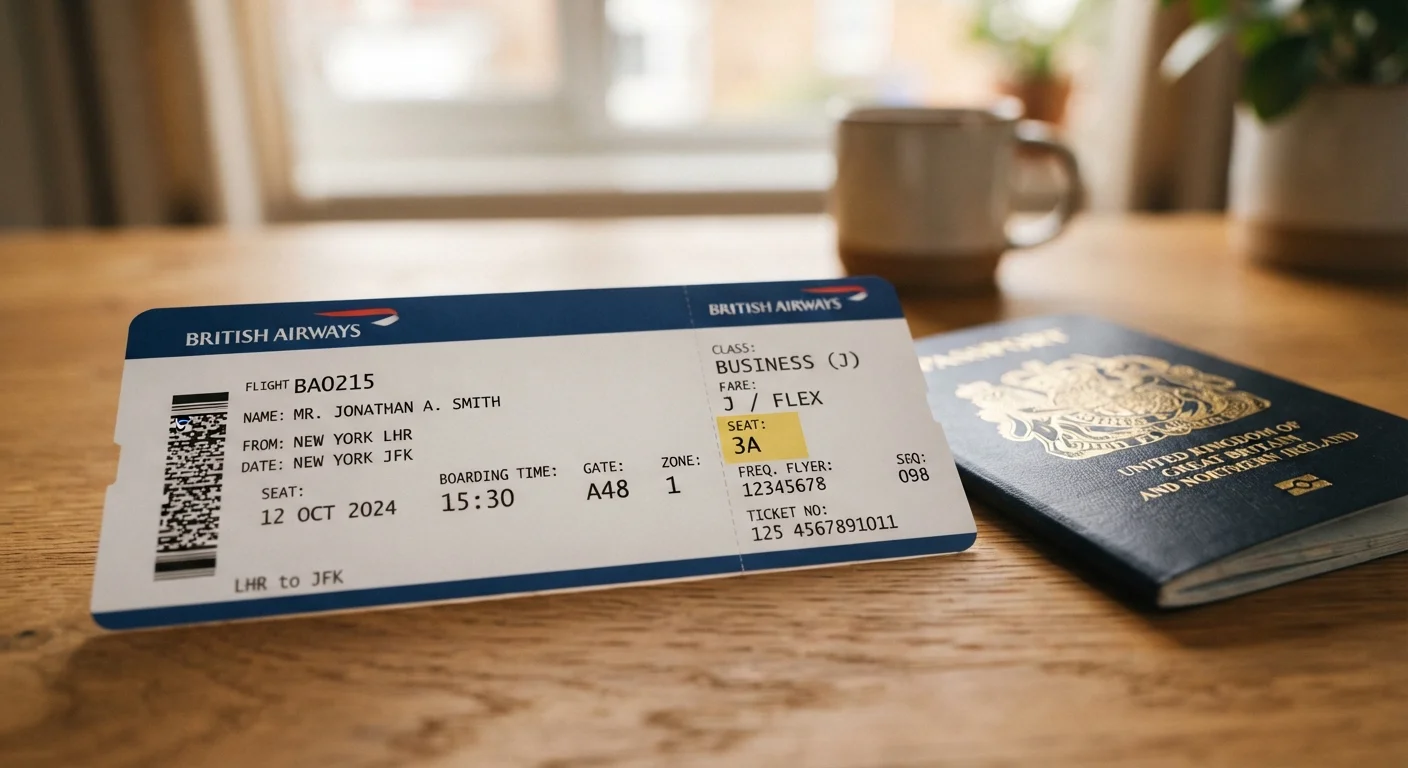
When you book a flight, that solitary letter hiding in your itinerary - often tucked into a confirmation email line labeled "class" or "booking code" - is doing a lot of quiet work. It isn't just shorthand for Economy or Business. It's a key that unlocks (or locks) mileage earnings, upgrade eligibility, change and cancellation flexibility, and even priority boarding on some carriers.
Airlines divide each cabin into multiple inventory buckets, each represented by a letter. As a cabin fills up, the airline closes cheaper fare class buckets first, pushing remaining seats into higher-priced ones. Understanding this system helps you anticipate what you're actually buying before you click confirm.
| Number of fare class letters used industry-wide | Up to 26 (A-Z) (IATA reservation standards) |
| Typical full-fare economy code | Y (Widely adopted convention across major U.S. carriers) |
| Common basic economy codes | N, G, or O (varies by airline) (Carrier-specific; always verify with your airline) |
| Award ticket common codes | X, I, or Z (Carrier-specific inventory codes) |
| Mileage earn on deep-discount fares | 25%-50% of miles flown (Typical range; actual rates vary by carrier and program) |
| Full-fare business class typical code | J or C (Industry convention; verify with your carrier) |
Decoding the Alphabet: What Common Letters Signal
While codes aren't universal, certain letters follow recognized industry conventions across major U.S. carriers:
- Y - Full-fare economy. Highest flexibility, highest mileage earn (often 100%), and typically upgrade-eligible. Rarely the price you want to pay voluntarily.
- B, M, H, K, Q, V, W - Discounted economy tiers. Rules get progressively more restrictive as you move down the alphabet ladder. Mileage earn may drop to 75%, 50%, or 25%.
- N, G, O, L - Basic economy or deeply restricted fares. Expect limited or zero mileage earn, no seat selection, and no upgrade eligibility on most carriers.
- J, C - Full-fare business class. Maximum flexibility and earn rate, commonly upgrade-eligible to First when space is available.
- D, I, Z - Discounted business class. Often sold via sale fares or partner redemptions; may carry reduced earn rates and restricted upgrades.
- F, A - First class full and discounted tiers respectively on carriers that still operate domestic or international first cabins.
- X, I, T - Award redemption codes. These appear when a seat is booked with miles rather than cash; they may earn reduced or no additional miles.
Codes Are Not Universal Across Airlines
Fare class letters are carrier-specific, not industry-universal. The letter 'W' signals Premium Economy on some airlines but a discounted economy bucket on others. Always check your specific carrier's fare class chart or contact their frequent-flyer program before making assumptions about earn rates or upgrade eligibility.
Your fare class code appears in your booking confirmation, on the airline's manage-my-trip page, and on your e-ticket receipt. It's usually a single letter next to the word "class" or "fare basis."
Fare Class
A single letter code, also called a booking class, that identifies the specific pricing tier and set of rules attached to your ticket. It governs everything from mileage accrual to change fees and upgrade eligibility.
Booking Class
The operational term airlines use interchangeably with fare class. It refers to the inventory bucket your seat is drawn from at purchase, not the physical cabin you sit in.
Cabin Class
The physical section of the plane - Economy, Premium Economy, Business, or First. A single cabin can contain multiple fare classes with very different rules.
Mileage Accrual Rate
The percentage of miles flown that a fare class earns toward a frequent-flyer account. Discounted fare classes typically earn at reduced rates, sometimes as low as zero.
Award Availability
The inventory an airline releases for redemption with miles or points. Certain fare class codes signal that a seat is available as an award ticket rather than a paid fare.
Upgrade Eligibility
Whether a ticket qualifies for complimentary or paid cabin upgrades. Most deeply discounted economy fare classes are ineligible for upgrades regardless of elite status.
How to Use This Knowledge Before You Book
Knowing your fare class before purchase - not after - is where this knowledge pays off. Here's a practical approach:
- Check your frequent-flyer program's mileage chart. Most major U.S. carriers publish a table showing exactly how many miles each fare class earns per segment or per dollar spent. A few minutes of comparison can reveal that two similarly priced tickets earn very different rewards.
- Verify upgrade eligibility before assuming. Elite status doesn't always override a restricted fare class. If an upgrade matters to you, confirm the fare code qualifies before purchasing.
- Weigh flexibility costs honestly. A refundable Y-class ticket may cost significantly more than a K-class fare on the same flight. If your plans are firm, the lower class may be a rational trade-off - just go in with clear expectations.
- Look at the fare basis code for full detail. The fare class letter is one character of a longer alphanumeric code (e.g., KLAX21NR) that encodes restrictions, routing rules, and advance-purchase requirements. Airlines and travel agents can decode the full string if you need specifics.
26
Letters that can function as fare class codes
Airlines assign letters A through Z to inventory buckets, though not every carrier uses all 26 in the same way.
25%-100%
Mileage accrual range across economy fare classes
The same physical seat can earn vastly different miles depending on the fare class purchased, according to major U.S. frequent-flyer program structures.
4-8
Typical fare class buckets within one cabin
A single economy cabin on a major U.S. carrier commonly contains multiple booking classes ranging from fully refundable Y down to restricted basic-economy codes.
This article provides general travel information for educational purposes. Fare class rules, mileage earn rates, and upgrade policies vary by airline and are subject to change. Always verify current policies directly with your carrier or frequent-flyer program before making travel decisions.