

Key Takeaways
Car Depreciation
Car depreciation is the reduction in a vehicle's monetary value over time. It begins as soon as a new car is purchased and continues throughout the vehicle's life. Depreciation reflects the difference between what you paid for a vehicle and what it's worth when you sell or trade it in.
Depreciation is typically calculated as a percentage of the vehicle's original value lost per year, and it directly affects loan-to-value ratios, insurance settlements, and lease residual values.
How Depreciation Works: The Value Curve
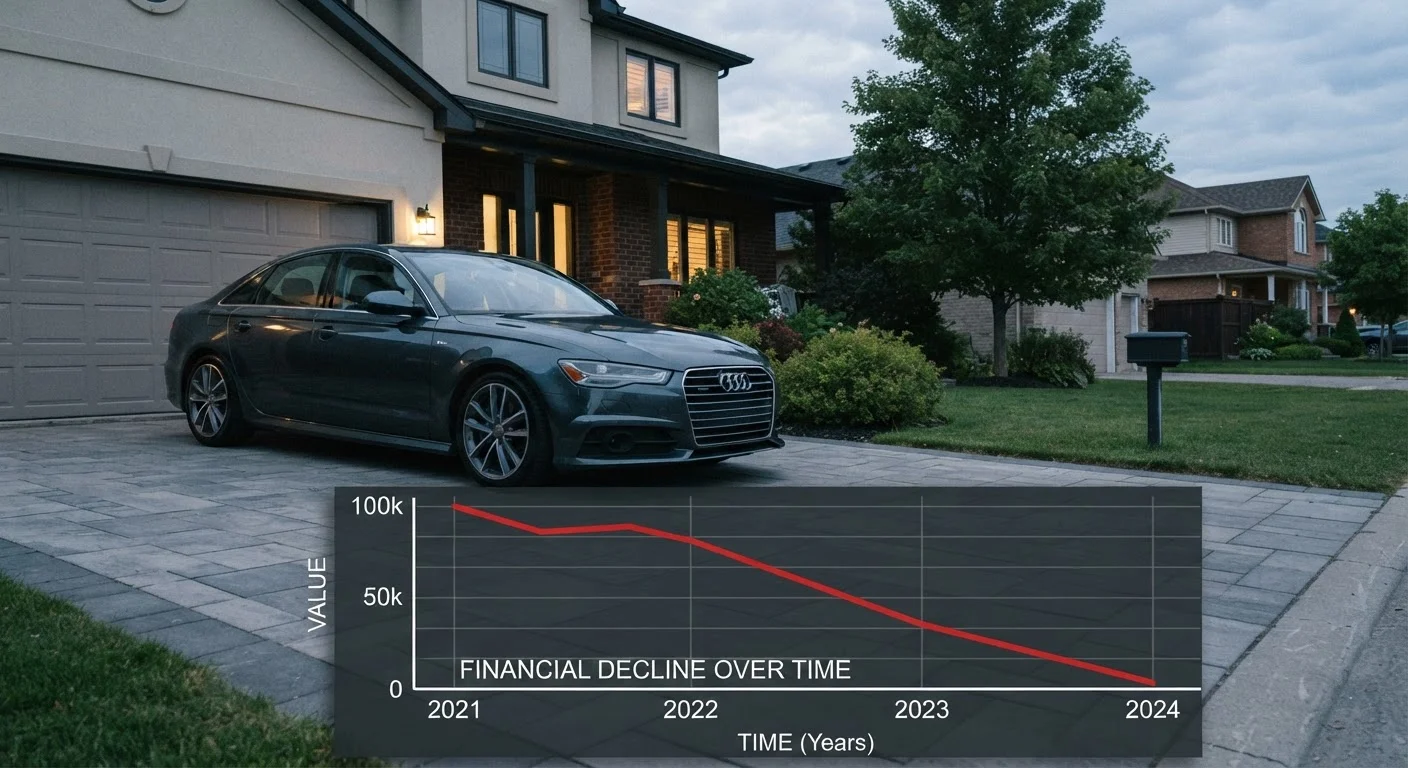
Depreciation is steepest at the beginning of a vehicle's life. A new car loses a significant portion of its value the moment it's registered and driven away - before a single oil change has been performed. This initial drop reflects the transition from "new" to "used" status in the market.
After that first-year decline, depreciation typically continues at a more gradual rate - often 10-15% per year over the following few years - before leveling off as the vehicle ages. By years six through ten, most vehicles have already shed the bulk of their value, and the annual dollar loss becomes smaller in absolute terms.
This depreciation curve is why a two- or three-year-old vehicle can represent strong value for buyers: much of the steepest loss has already been absorbed by the original owner. Understanding this pattern is central to making sense of the true cost of owning a car in America, which extends well beyond the purchase price.
~20%
Average first-year new car value loss
Industry analysts at Edmunds and similar research firms consistently estimate new vehicles lose approximately 20% of value in year one.
40-60%
Value lost by year five of ownership
Most mainstream vehicles have depreciated between 40% and 60% of their original purchase price by their fifth year, per widely cited automotive research.
~$3,500
Estimated average annual depreciation cost
AAA's annual 'Your Driving Costs' studies have consistently listed depreciation as the single largest component of vehicle ownership expense.
Key Factors That Accelerate or Slow Depreciation
Not all vehicles depreciate at the same rate. Several factors shape how quickly a specific car loses value:
- Mileage: Higher mileage signals more wear on mechanical components and typically reduces resale value faster. Most depreciation estimates assume around 12,000-15,000 miles per year as a baseline.
- Condition: Dents, stained interiors, faded paint, and neglected maintenance all accelerate value loss. A well-maintained vehicle commands noticeably more at resale.
- Make and model: Vehicles with strong reliability reputations and broad consumer demand tend to hold value better than those with lukewarm reviews or limited appeal.
- Fuel type and technology: Market shifts - such as growing interest in electric vehicles - can affect the residual value of both EVs and traditional combustion vehicles as buyer preferences evolve.
- Color and trim: Neutral colors (silver, white, gray, black) generally depreciate more slowly because they appeal to a wider range of buyers. Unusual colors or very basic trim levels may limit your resale pool.
Keep Your Service Records
A complete, documented maintenance history is one of the most effective tools for protecting resale value. Buyers and dealerships alike view service records as evidence of a well-cared-for vehicle. Store receipts and dealer records digitally so they're easy to present when you're ready to sell or trade in.
Staying on top of routine car maintenance not only keeps your vehicle running reliably - it directly protects its resale value.
What Depreciation Means for Financing and Insurance
Depreciation has real financial consequences beyond what you'll pocket when selling. Two of the most important areas are loan equity and insurance settlements.
Negative equity (being "underwater"): Because new cars depreciate faster than loans are paid down in early months, many borrowers find themselves temporarily owing more than the car is worth. If you need to sell or trade in during this window, you may have to cover the shortfall out of pocket. This risk is amplified by low down payments or long loan terms.
Insurance payouts: Standard auto insurance pays actual cash value - your car's depreciated market worth at the time of a claim, not its replacement cost. If your vehicle is totaled and its market value is lower than your remaining loan balance, you face a gap. Gap insurance products exist to cover this difference, and are worth considering for new or nearly-new vehicles. This intersects directly with the broader realities covered in financial realities new car owners often underestimate.
Gap Insurance Is Worth Investigating Early
If you're financing a new vehicle with a small down payment or a loan term of 60 months or longer, ask your lender or insurance provider about gap coverage at the time of purchase. Retrofitting it after the fact can be more expensive or may not be available through all providers. This is general guidance - review your specific loan and insurance terms carefully.
For those weighing ownership structures, depreciation is also central to the leasing vs. buying decision. Lease payments are calculated directly from projected depreciation, so the vehicle's value trajectory shapes your monthly cost from the start.
Practical Steps to Protect Your Vehicle's Value
While depreciation is inevitable, disciplined ownership habits can meaningfully slow the rate at which your vehicle loses value:
- Follow the manufacturer's maintenance schedule. Documented service records signal reliability to future buyers and reduce the risk of costly mechanical failures that hurt resale value.
- Manage your mileage mindfully. If you're approaching higher-than-average annual mileage, factor that into your ownership cost projections and future trade-in or sale expectations.
- Protect the vehicle's appearance. Regular washing, paint protection, and prompt attention to minor damage preserve the aesthetic appeal that buyers weigh heavily.
- Avoid over-modifying the vehicle. Aftermarket modifications - even expensive ones - rarely add equivalent resale value and can deter buyers seeking a stock configuration.
- Time your sale strategically. If possible, selling or trading in before major wear milestones (such as 60,000 or 100,000 miles) can help you capture more residual value.
For a longer view on managing ownership costs, see keeping vehicle costs under control over the long term.
This article provides general financial and automotive information for educational purposes only. It is not personalized financial or legal advice. Consult a qualified financial adviser for decisions specific to your situation.