

Key Takeaways
Exercise Snacking
Exercise snacking refers to breaking up physical activity into several brief sessions spread throughout the day, rather than completing one continuous workout. Each 'snack' typically lasts anywhere from one to ten minutes and can include activities like stair climbing, brisk walking, or bodyweight movements. The idea is that accumulated movement, even in small doses, can contribute to overall fitness and health.
In exercise science, this approach relates to the concept of accumulated versus continuous physical activity and how both formats can influence cardiovascular fitness, metabolic health, and muscle function.
Why the 'All or Nothing' Fitness Mindset Holds People Back
For many Americans, the standard picture of exercise is a dedicated block of time - 45 minutes at the gym, a morning run, or a structured fitness class. When that block doesn't fit into the day, the default is often to skip movement entirely. This all-or-nothing thinking is one of the most common barriers to consistent physical activity.
Exercise snacking challenges that assumption directly. Rather than treating a workout as a single, indivisible event, it reframes movement as something that can happen in small, distributed doses throughout the day. The practical appeal is obvious: most people can find two or three minutes between tasks, even on a packed schedule.
Movement habits designed for busy workdays show that the barrier isn't always motivation - it's often structure. Exercise snacking offers a different structure entirely.
Start With What You Already Do
You don't need to add entirely new activities to begin exercise snacking. Look for existing daily moments - going to get a glass of water, moving between rooms, answering a phone call - and add a brief burst of purposeful movement to them. Small behavioral additions to existing routines are easier to sustain than entirely new habits.
What the Research Actually Shows
The science behind short exercise bouts has grown considerably over the past decade. A number of studies have compared accumulated short sessions to single continuous workouts and found that the health benefits - particularly for cardiovascular fitness and blood sugar regulation - can be broadly similar.
Research published in exercise physiology journals has found that multiple brief bouts of stair climbing, for example, can improve aerobic capacity over time. Other studies examining sedentary office workers found that introducing short walking or movement breaks improved insulin sensitivity and reduced prolonged sitting's metabolic effects.
~30 min
Minimum weekly vigorous activity recommended by major health guidelines
U.S. physical activity guidelines suggest adults aim for at least 75 minutes of vigorous or 150 minutes of moderate activity weekly - achievable through accumulated short bouts.
3-5×
Typical number of daily movement snacks studied in research
Studies examining exercise snacking protocols commonly test two to five short bouts per day, finding meaningful improvements in aerobic and metabolic markers.
1-10 min
Duration range of a typical exercise snack
Research has explored sessions ranging from under a minute of intense stair climbing to ten-minute brisk walk intervals, with benefits observed across the range.
Importantly, researchers emphasize that intensity matters alongside duration. A brisk, effortful three-minute session produces different physiological responses than a leisurely stroll of the same length. Exercise snacking tends to be most effective when the activity is at least moderately vigorous.
For a broader view of how movement and steps contribute to health, see what research says about walking and step count.
Who Benefits Most From This Approach
Exercise snacking is not a one-size-fits-all solution, but it is an unusually inclusive strategy. Several groups tend to find it especially useful:
- Desk workers and remote employees who sit for extended periods and find it difficult to carve out a continuous exercise block
- Older adults, for whom brief, lower-impact movement breaks can support joint mobility, balance, and metabolic health without the demands of longer sessions - though those with chronic conditions should always consult a healthcare professional first
- People returning to activity after a period of inactivity, for whom shorter bouts feel more manageable and less intimidating
- Anyone with an unpredictable schedule, where a commitment to a 45-minute session is frequently derailed
How exercise needs shift across age groups is worth considering alongside this approach, as the appropriate intensity and type of movement varies with life stage.
Exercise Snacking Is Not a Cure-All
While the evidence for short exercise bouts is encouraging, exercise snacking works best as part of a broader commitment to an active lifestyle - not as a replacement for all structured activity. People with specific fitness goals, such as building strength or training for an event, will likely need to complement snacking with more focused sessions. Always consider your individual health status and goals when shaping your movement routine.
How to Build Exercise Snacking Into Your Day
The most effective exercise snacks are planned - not hoped for. Rather than relying on spontaneous motivation, anchoring short movement breaks to existing daily events tends to produce more consistent habits. This is sometimes called 'habit stacking' in behavioral science.
Some practical starting points:
- Stair climbing: If stairs are accessible at home or work, two to three minutes of purposeful stair climbing is an efficient cardiovascular stimulus.
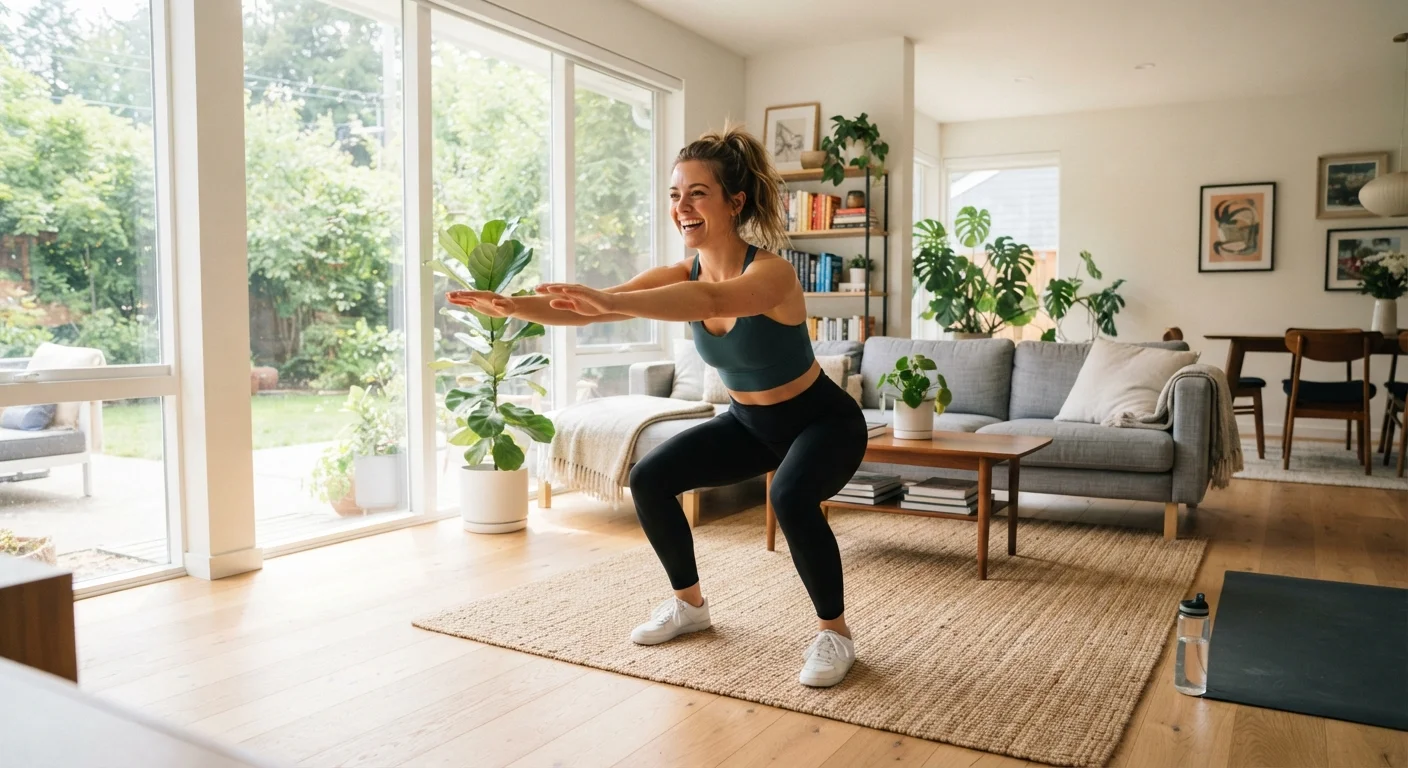
- Bodyweight circuits: A brief set of squats, lunges, or push-ups requires no equipment and can be done in almost any space.
- Brisk walking loops: A fast-paced walk around a building or block - more vigorous than a casual pace - counts as a meaningful movement snack.
- Active transitions: Walking purposefully between tasks, standing and stretching during calls, or taking the longer route are all low-barrier entry points.
Building a consistent exercise routine covers broader principles that complement the exercise snacking approach - particularly around habit formation and progressive challenge.
This article is for general informational purposes only and does not constitute medical advice. Speak with a qualified healthcare professional before beginning any new physical activity program, particularly if you have a health condition or have been inactive for an extended period.