

Key Takeaways
Our Verdict
Each stress management technique has genuine strengths and practical trade-offs. Deep breathing and PMR are easiest to start immediately; exercise and mindfulness tend to build more durable resilience over time. For most people, a layered approach - combining a quick-relief tool with a regular long-term habit - offers the most practical benefit.
| Best for | Recommended |
|---|---|
| Those needing immediate, in-the-moment relief | Deep Breathing |
| Those carrying physical tension alongside mental stress | Progressive Muscle Relaxation |
| Those who prefer movement-based stress outlets | Physical Exercise |
| Those seeking durable, long-term stress resilience | Mindfulness Practice |
Why Comparing Stress Techniques Matters
Stress is one of the most common health concerns facing American adults, yet the landscape of management strategies can feel overwhelming. Breathing exercises, physical workouts, progressive muscle relaxation (PMR), and mindfulness practice each take a different path to the same destination: lowering the body's stress response and building emotional resilience.
Understanding how these approaches differ in mechanism, time commitment, and accessibility helps you make an informed choice rather than guessing. For a deeper look at what chronic stress actually does to the body, see our article on why chronic stress wears you down.
This comparison covers four well-researched, widely accessible strategies. It is general health information - not a substitute for guidance from a qualified healthcare professional, especially if stress is significantly affecting your daily functioning.
Breaking Down the Four Core Approaches
Each technique has a distinct entry point, required effort level, and best use case.
Deep Breathing works by activating the parasympathetic nervous system - essentially signaling to the body that the threat has passed. Techniques such as diaphragmatic breathing or the 4-7-8 pattern require no equipment, cost nothing, and can be practiced at a desk or in a car. The limitation is that effects are largely immediate rather than cumulative; it addresses acute stress well but builds less long-term resilience on its own. For more on the range of breathwork options and where evidence is still emerging, see our breathwork overview.
Progressive Muscle Relaxation (PMR) involves systematically tensing and releasing muscle groups to heighten awareness of physical tension. A full session typically takes 15-20 minutes. Research published in peer-reviewed journals has associated PMR with reductions in anxiety symptoms and sleep difficulties, though individual results vary. It suits people who hold stress physically - in the shoulders, jaw, or chest.
Physical Exercise addresses stress at a physiological level, influencing hormones such as cortisol and endorphins. Even moderate-intensity activity - brisk walking, cycling, swimming - is associated with mood improvements in population studies. The barrier here is time and motivation, particularly when stress is already high. Consistency matters more than intensity for stress management purposes.
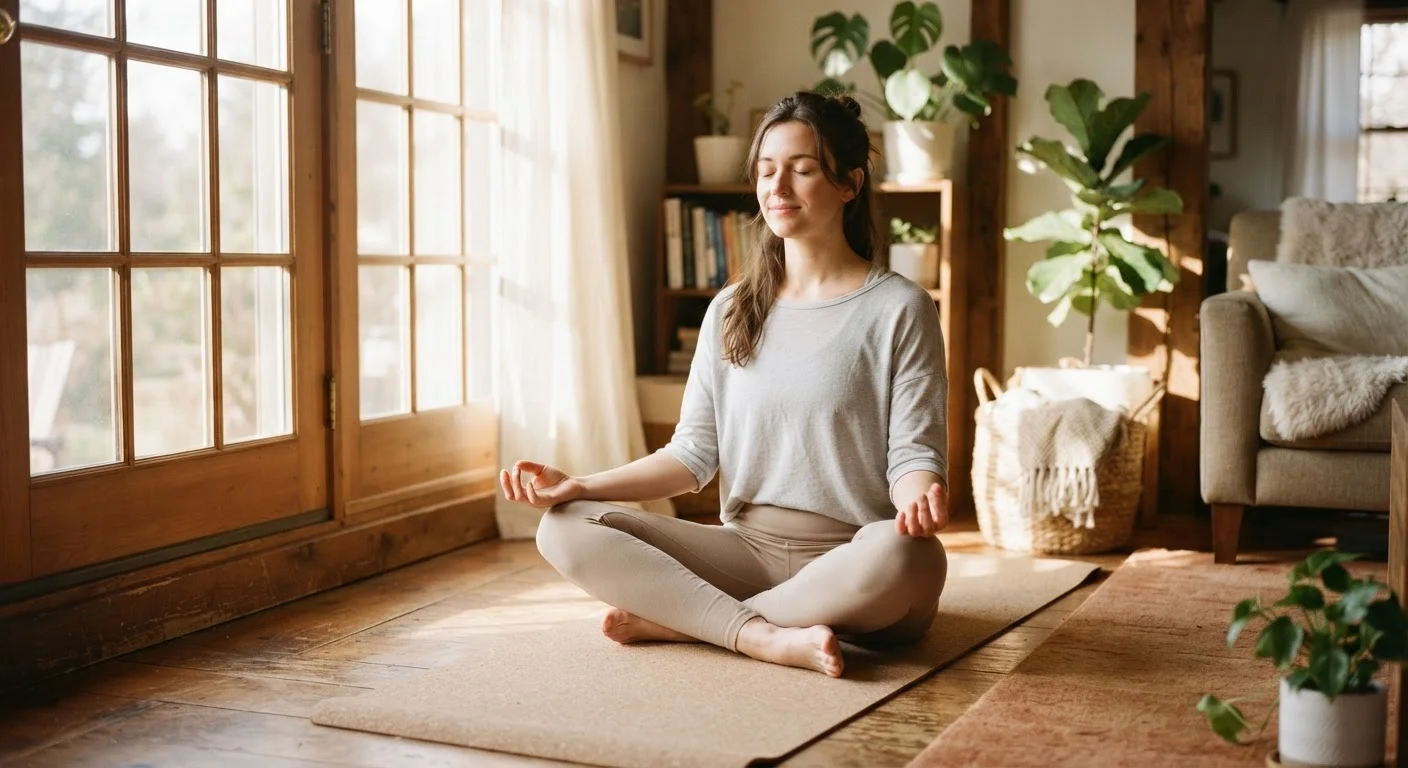
Mindfulness Practice trains attention to present-moment experience without judgment. Mindfulness-Based Stress Reduction (MBSR) - an eight-week structured program - has been one of the most studied interventions for stress and anxiety in non-clinical populations. Daily practice of even 10-15 minutes is associated with measurable changes over weeks. If you're uncertain whether mindfulness or formal meditation fits your needs, our mindfulness vs. meditation explainer offers useful context.
| Deep Breathing | Progressive Muscle Relaxation | Physical Exercise | Mindfulness Practice | |
|---|---|---|---|---|
| Time to first benefit | Minutes | 15-20 minutes | 30-45 minutes | Days to weeks of practice |
| Equipment needed | None | Quiet space to lie down | Varies (minimal to moderate) | None or guided audio |
| Best for acute vs. chronic stress | Acute relief | Both | Chronic resilience | Chronic resilience |
| Skill or learning curve | Very low | Low to moderate | Low | Moderate |
| Evidence base | Moderate to strong | Moderate | Strong | Strong (MBSR research) |
| Physical engagement | Low | Moderate | High | Low |
| Suitable for beginners | Yes | Yes | Yes | Yes, with guidance |
Practical Considerations for Choosing Your Approach
No single technique outperforms all others for every person or every situation. A few practical filters can help narrow your focus:
- Immediacy of need: If you need relief in minutes, deep breathing is the most accessible starting point.
- Physical vs. cognitive stress: Those who carry tension in their body often respond well to PMR or exercise; those whose stress manifests as racing thoughts may find mindfulness more targeted.
- Available time: Exercise and mindfulness require consistent scheduling; breathing and PMR fit into shorter windows.
- Sustainability: The most effective technique is one you'll actually do regularly.
Start With One, Build From There
Trying to adopt multiple new habits simultaneously often undermines all of them. Pick the technique that feels most accessible given your current schedule and stress level. Spend two to three weeks building consistency before adding a second approach. Small, sustainable steps produce more durable change than ambitious overhauls.
Many people find the greatest benefit from layering a quick-relief technique (breathing) with a longer-term habit (exercise or mindfulness). Once you've identified approaches that resonate, the next step is weaving them into a sustainable daily structure - our guide to building a daily mental wellness routine covers exactly that.
You can also use our mental wellness self-check to reflect on your current habits and identify gaps worth addressing.
This article is for general informational purposes only and does not constitute medical or mental health advice. If stress is significantly impacting your quality of life, please consult a qualified healthcare or mental health professional.