

Key Takeaways
Deferred Maintenance
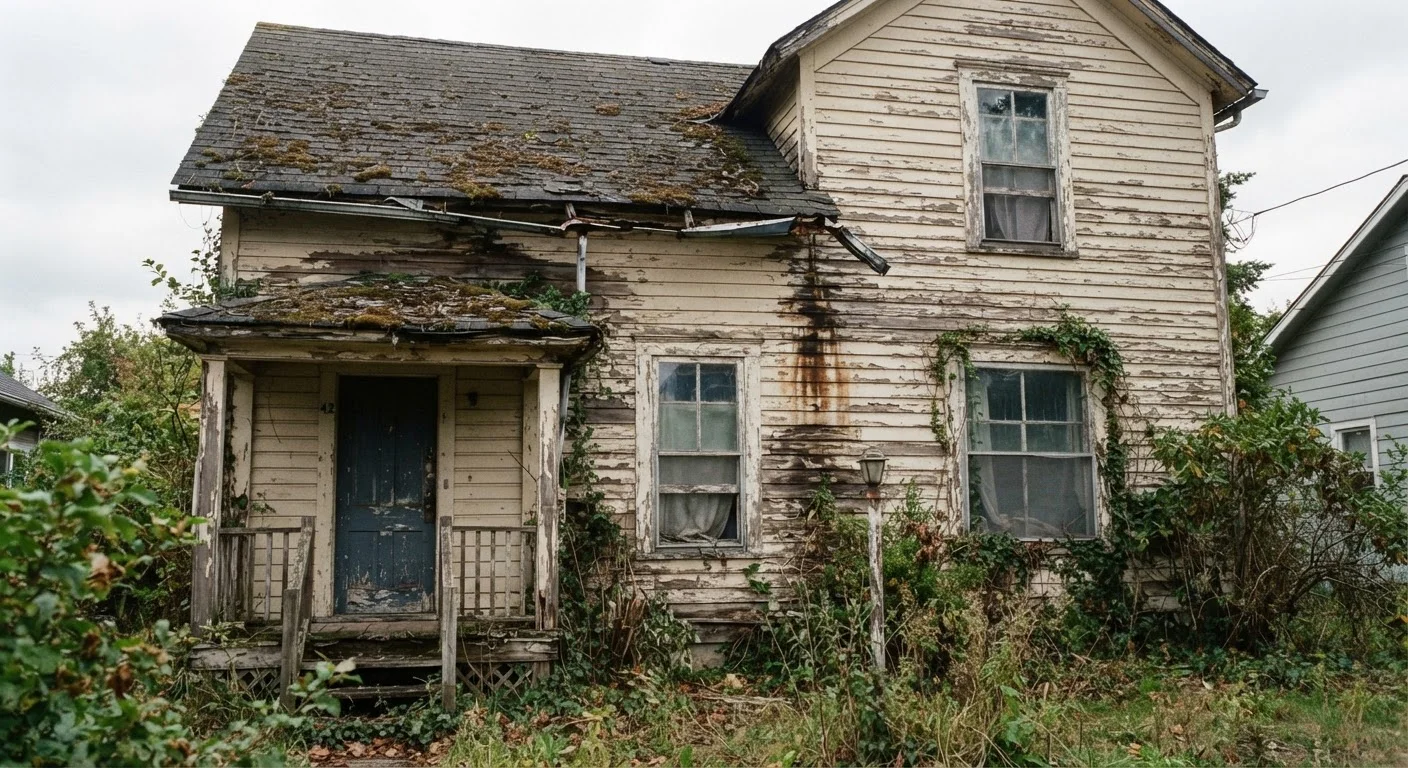
Deferred maintenance refers to upkeep tasks that have been identified but intentionally or unintentionally postponed. Instead of addressing wear, damage, or deterioration when it's first noticed, the work is delayed - often for budget, time, or convenience reasons. Over time, those postponed tasks accumulate and typically become far more expensive to fix than they would have been originally.
In real estate and property management, deferred maintenance is formally assessed during inspections and can directly affect a property's appraised value, insurability, and mortgage eligibility.
Why Deferred Maintenance Is a Bigger Problem Than It Looks
Most homeowners have a mental list of things they plan to fix "eventually." The dripping faucet. The hairline crack in the driveway. The gutter that pulls slightly away from the fascia. Individually, none of these feel urgent - but collectively, deferred maintenance is one of the most predictable sources of large, unexpected home repair bills.
The core problem is that homes are interconnected systems. Water, pests, moisture, and structural stress don't stay contained to one small area. A slow roof leak damages insulation, which promotes mold, which can compromise framing. What begins as a $300 roofing repair becomes a $4,000 remediation project. That pattern repeats across plumbing, siding, foundations, and HVAC systems.
1:4
Ratio of prevention cost to repair cost
Industry guidance from property management and building maintenance sectors commonly cites that every $1 spent on preventive maintenance can avoid roughly $4 in deferred repair costs.
1-2%
Annual maintenance budget as share of home value
A widely referenced general guideline suggests homeowners budget between 1% and 2% of their home's value each year for routine upkeep; actual needs vary by age, condition, and climate.
35%
Home sale price reductions linked to deferred maintenance
Real estate professionals frequently report that buyers negotiate discounts or request significant concessions when inspections reveal a pattern of neglected repairs, with reductions varying widely by market and severity.
Understanding deferred maintenance isn't about alarming homeowners - it's about helping you make informed decisions about where to direct limited time and money. The myths surrounding home maintenance often cause people to under-prioritize real risks in favor of tasks that feel productive but aren't critical.
How Deferred Maintenance Compounds Over Time
The financial math behind deferred maintenance is straightforward: deterioration accelerates once it starts. A small crack in exterior caulking admits moisture. That moisture softens wood framing. Soft wood invites insects. By the time visible damage appears, several systems have already been compromised.
Consider a few common progression chains:
- Gutters: Clogged gutters overflow onto fascia boards, rot the wood, wick water into the attic, and eventually damage interior ceilings. A $150 cleaning becomes a multi-thousand-dollar repair.
- HVAC filters: A clogged filter strains the motor, reduces efficiency, and shortens system lifespan significantly - adding years of early replacement cost.
- Roof flashing: Failed flashing around chimneys or vents allows water penetration that damages decking, insulation, and drywall well below the roofline.
These aren't worst-case scenarios - they're routine outcomes described by contractors and home inspectors across the country. The out-of-sight spaces like crawl spaces and attics are especially prone to compounding damage precisely because homeowners rarely look there until something fails completely.
Start With a Simple Inspection Log
You don't need a professional assessment to begin. Walk your home's exterior quarterly and note anything that looks different from the previous visit - new cracks, discoloration, soft spots, or gaps. A dated photo log takes less than ten minutes and gives you a baseline that makes it much easier to track whether a minor issue is staying stable or progressing.
The Financial and Resale Consequences
Deferred maintenance doesn't just affect your repair bills - it affects your home's market value. When a buyer's inspector documents a pattern of neglected upkeep, buyers routinely negotiate price reductions or walk away entirely. Appraisers also factor visible maintenance failures into their assessments, which can affect refinancing options.
Homeowners insurance adds another layer of risk. Most policies cover sudden, accidental damage - not gradual deterioration from neglect. If a roof that hasn't been maintained for fifteen years finally fails during a storm, insurers often deny claims on the grounds that the damage was foreseeable and preventable.
Thinking about deferred maintenance as a form of hidden debt is useful. Like financial debt, it accrues "interest" in the form of accelerating damage. The principles of managing savings and debt apply here: the longer you carry it, the more it costs to resolve.
Building a Maintenance Habit That Prevents Backlogs
The antidote to deferred maintenance is a consistent, structured approach to upkeep - not perfection, but regularity. A few practical habits make a significant difference:
- Conduct a seasonal walkthrough. Each spring and fall, inspect your roof, gutters, foundation perimeter, caulking, and HVAC system. The seasonal home maintenance calendar provides a task-by-task framework for each quarter of the year.
- Budget deliberately. A commonly cited general guideline suggests setting aside roughly 1-2% of your home's value annually for maintenance. This is general guidance, not a guarantee - actual costs vary widely by home age, condition, and region.
- Prioritize by consequence, not visibility. Fix what protects the structure first: roof, drainage, foundation, and moisture barriers. Cosmetic issues can often wait; water infiltration cannot.
- Document repairs. Keep a simple log of what was inspected, repaired, and when. This protects you during insurance claims and strengthens your position when selling.
Focusing on the exterior systems that shield your home's structure is one of the highest-return maintenance areas, since those systems deflect water, UV damage, and pest entry before they reach interior materials.
When to Call a Licensed Professional
Some maintenance tasks - particularly those involving the roof, structural elements, electrical systems, gas lines, or load-bearing components - should be assessed and repaired by licensed contractors. Attempting complex repairs without appropriate skills or permits can worsen damage, create safety hazards, and complicate insurance claims. When in doubt, a professional inspection fee is almost always less than the cost of an escalated problem.