

Key Takeaways
Why Litter Box Setup Matters More Than You Think
When a cat stops using the litter box, most owners assume it's a behavioral issue - or worse, spite. In reality, the setup itself is most often the problem. Cats are fastidious animals with strong instincts around elimination, and small environmental details can make or break whether they use the box you've provided.
Understanding these preferences isn't about indulging a picky pet. It reflects feline biology. In the wild, cats are selective about where they eliminate to avoid detection by predators, so they naturally seek clean, private, appropriately sized spots. Replicate those conditions in your home, and you'll rarely deal with accidents.
If you're new to cat ownership or still figuring out the basics, our guide on what to expect as a first-time cat owner covers the early adjustment period in detail, including how litter box quirks often signal bigger comfort issues.
Litter Box Avoidance Signals a Problem
If your cat is consistently eliminating outside the litter box, do not assume it's purely behavioral. Urinary tract infections, kidney issues, and other medical conditions can cause this. Consult your veterinarian before attempting behavioral fixes - ruling out health causes is always the first step.
The Most Common Litter Box Mistakes
The errors below are among the most frequent - and most fixable - reasons cats develop litter box avoidance. Each one stems from a genuine misunderstanding of cat behavior rather than owner negligence.
Not having enough litter boxes for the number of cats in the household.
Why it happens: Many owners assume one box is sufficient, especially if they have just two cats. The connection between box count and feline stress isn't widely communicated.
Placing all litter boxes in the same location, often a single bathroom or laundry room.
Why it happens: Owners prioritize their own convenience and contain the mess in one area. It feels logical, but cats experience it very differently.
Using a litter box that is too small for the cat's body size.
Why it happens: Standard commercial boxes are sized for average adult cats, but larger breeds or senior cats may find them cramped. Many owners buy once and never reassess.
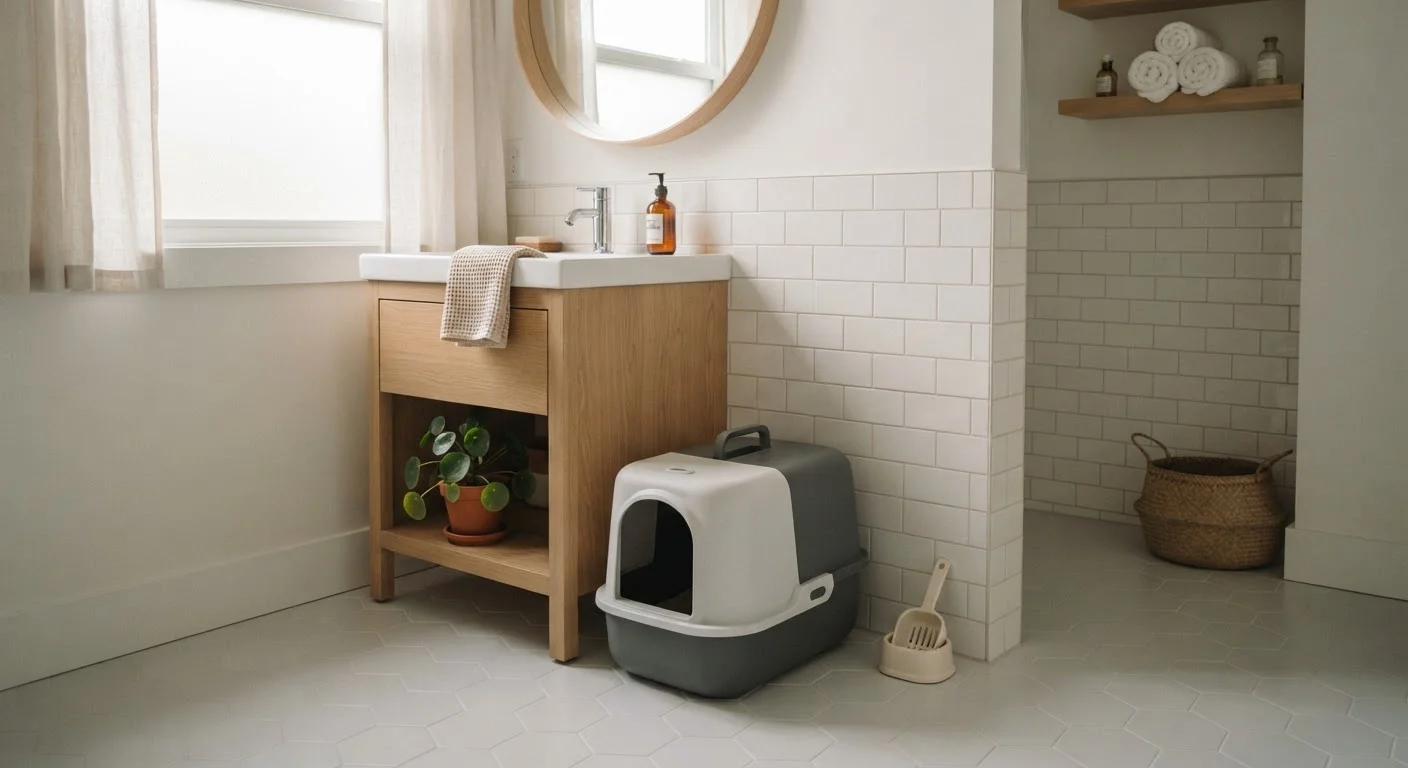
Using a covered or hooded litter box without considering the cat's preference.
Why it happens: Covered boxes appeal to owners wanting to conceal odor and mess. Cats, however, don't always share that preference.
Not scooping frequently enough - often only once every few days.
Why it happens: Owners underestimate how sensitive cats are to waste odor, especially in enclosed spaces. Scooping feels like a chore that can wait.
Adding too little litter, leaving less than two inches of depth in the box.
Why it happens: Owners may be conserving litter to reduce costs or simply refill by habit without measuring.
Using strongly scented litter or cleaning the box with harsh chemical cleaners.
Why it happens: Scented products seem like a logical way to control odor from the human perspective. Owners also want the box thoroughly sanitized.
For a broader look at what cats need day to day, responsible cat ownership covers everything from enrichment to veterinary care in one place.
Getting It Right: A Practical Reset
Fixing a litter box problem doesn't usually require a major overhaul - it requires paying attention to details that are easy to overlook. Start by auditing your current setup: count your boxes, check their sizes, assess their locations, and honestly evaluate how often you're cleaning them.
10%
Cats with litter box problems in their lifetime
Veterinary behaviorists estimate roughly 10% of cats will develop a litter box aversion at some point, often linked to environmental factors rather than medical ones.
1.5×
Minimum box length relative to cat size
Animal behavior guidelines generally recommend a litter box at least 1.5 times the length of the cat from nose to tail base for adequate comfort.
2-3 inches
Recommended litter depth
Most feline care resources suggest maintaining two to three inches of litter depth to allow cats to dig and cover, which mirrors natural elimination behavior.
If your cat has already developed a habit of avoiding the box, begin by thoroughly cleaning any soiled areas outside the box with an enzymatic cleaner to eliminate residual scent markers. Then reset the litter box environment using the guidance above. Cats that have had negative associations with the box may need a few days to re-establish the habit.
Litter box setup is one area where small, consistent adjustments yield the most reliable results. Unlike some aspects of feline behavior, this is largely within an owner's direct control - and that's genuinely good news.