
Patagonia: Weighing the Rewards and Realities of One of Earth's Most Remote Destinations

Key Takeaways
Scenery that genuinely matches its global reputation
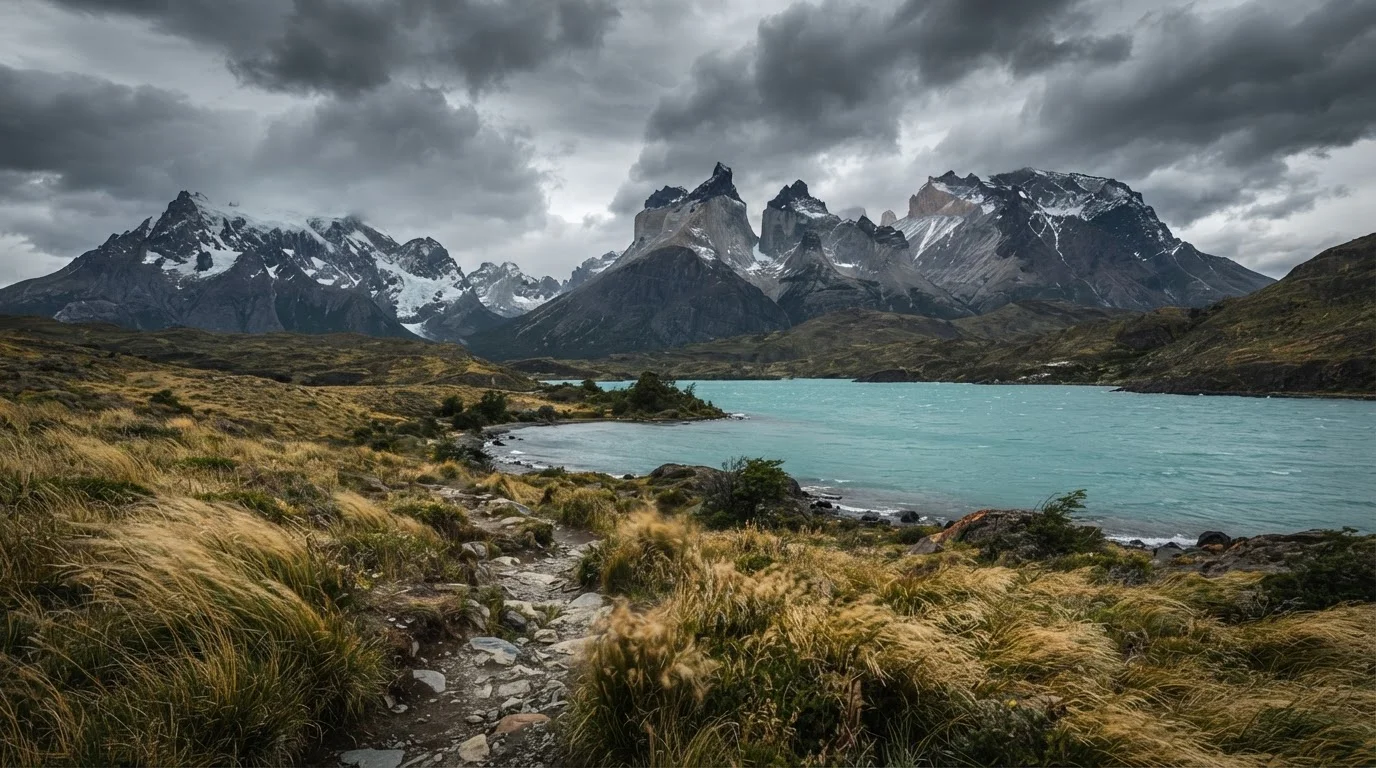
The granite towers, glaciers, and fjords of Patagonia deliver visual drama that experienced travelers consistently rate among the world's finest. It's one of the few destinations where the reality outpaces the expectation.
Accessible trekking for fit, prepared non-experts
Refugio infrastructure on the W Trek and free, well-marked trails around El Chaltén make iconic Patagonian hiking achievable without mountaineering experience, provided you're physically prepared and properly geared.
Exceptional and often surprising wildlife encounters
Andean condors, guanacos, Magellanic penguins, and - in the right season and location - pumas and southern right whales create wildlife experiences that rival dedicated safari destinations.
A genuine sense of remote, uncrowded wilderness
Despite growing tourism, Patagonia's sheer scale means that even during peak season, hikers can find stretches of trail and landscape where solitude is real - rare in destinations of this caliber.
Two countries, dramatically different characters
The Chilean fjord-and-rainforest side and Argentina's drier steppe and glacier landscapes offer genuinely distinct experiences within a single extended trip, rewarding travelers who plan cross-border itineraries.
Extreme and unpredictable weather is unavoidable
Wind, rain, and cold can arrive at any time of year, including summer. Itinerary disruption from weather is common, and travelers who cannot adapt to altered plans often find the experience deeply frustrating.
Permits and accommodation sell out months in advance
Popular routes like the W Trek require booking refugios and campsites up to six months ahead during peak season. Late planners face either steep re-routing or missing the most iconic sections entirely.
High cost relative to other wilderness destinations
International flights, limited domestic connections, park fees, and high-demand accommodation combine to make Patagonia one of the more expensive wilderness trips available to American travelers.
Significant physical demands and fitness requirements
Multi-day treks involve long daily mileage, elevation gain, and exposure to harsh conditions carrying a full pack. Travelers who overestimate their fitness level risk injury, bailout situations, or simply not enjoying the experience.
Remote access means limited options when things go wrong
Medical care, gear replacement, and transportation alternatives are limited or non-existent in the backcountry. Evacuation from remote areas can be extremely costly and logistically complex.
Growing environmental pressure on fragile ecosystems
Increased visitor numbers are straining trails, water sources, and wildlife in sensitive areas. Responsible travel practices - Leave No Trace, staying on marked paths, following permit rules - are not optional courtesies here.
Our Verdict
Patagonia is genuinely one of the planet's most spectacular places - a destination that rewards patience, preparation, and a high tolerance for the unexpected. The landscapes are as dramatic as advertised, but the logistics, physical demands, and cost are equally real. Travelers who arrive informed and adaptable tend to describe it as a life-defining experience; those expecting ease often find it punishing.
Best suited to physically active, experienced travelers who prioritize raw wilderness over comfort, are comfortable planning months ahead, and hold flexibility as a travel virtue.
What Patagonia Actually Is - and Isn't
Patagonia isn't a single park or a single country - it's a vast, shared region spanning the southern cone of South America, split between Chile and Argentina. It encompasses Patagonian steppe, Andean peaks, ancient glaciers, fjords, and temperate rainforests across an area roughly the size of California and Nevada combined. The most visited anchors include Torres del Paine National Park in Chile, Los Glaciares National Park in Argentina (home to the Perito Moreno glacier and the El Chaltén trekking hub), and the Carretera Austral highway route.
That scale matters for planning. "Going to Patagonia" is less like booking a resort vacation and more like mapping a multi-region expedition. Distances between highlights are enormous, internal flights are limited, and overland travel can eat days off your itinerary. Understanding this upfront is the difference between a well-shaped trip and a frustrating blur of bus terminals.
If you're weighing Patagonia against other ambitious trips, our guide to city breaks versus nature retreats lays out a useful framework for matching trip style to your actual goals.
The Case For Going: What Makes Patagonia Extraordinary
Few places on Earth match Patagonia's raw visual impact. The Torres del Paine massif, the ice fields, the wild Atlantic coastline of Tierra del Fuego - these aren't postcard exaggerations. The scenery delivers on its reputation in a way that genuinely surprises even experienced travelers.
Scenery that genuinely matches its global reputation
The granite towers, glaciers, and fjords of Patagonia deliver visual drama that experienced travelers consistently rate among the world's finest. It's one of the few destinations where the reality outpaces the expectation.
Accessible trekking for fit, prepared non-experts
Refugio infrastructure on the W Trek and free, well-marked trails around El Chaltén make iconic Patagonian hiking achievable without mountaineering experience, provided you're physically prepared and properly geared.
Exceptional and often surprising wildlife encounters
Andean condors, guanacos, Magellanic penguins, and - in the right season and location - pumas and southern right whales create wildlife experiences that rival dedicated safari destinations.
A genuine sense of remote, uncrowded wilderness
Despite growing tourism, Patagonia's sheer scale means that even during peak season, hikers can find stretches of trail and landscape where solitude is real - rare in destinations of this caliber.
Two countries, dramatically different characters
The Chilean fjord-and-rainforest side and Argentina's drier steppe and glacier landscapes offer genuinely distinct experiences within a single extended trip, rewarding travelers who plan cross-border itineraries.
Beyond the scenery, the trekking infrastructure has matured considerably. The W Trek and Circuit in Torres del Paine now offer well-maintained refugios (mountain huts) with meals and dormitory bunks - physically demanding, but manageable for fit hikers without expedition experience. El Chaltén, Argentina's self-declared trekking capital, offers free day hikes through the Fitz Roy range with no permit required, making it one of the most accessible extreme-landscape experiences in the world.
Wildlife adds another dimension most visitors don't anticipate. Condors are genuinely common overhead. Guanacos (a wild relative of the llama) graze casually near trails. Magellanic penguins, pumas, and southern right whales are all realistic sightings depending on location and season.
~700 mi
Length of Chile's Carretera Austral highway
The Carretera Austral stretches approximately 770 miles through Chilean Patagonia, connecting remote communities and landscapes largely inaccessible by any other route.
6 months
Typical advance booking window for W Trek refugios
Refugio operators and park authorities in Torres del Paine typically advise booking peak-season accommodation at least six months ahead to secure spots on the W Trek.
Nov-Mar
Southern Hemisphere summer peak travel season
Patagonia's most accessible trekking window runs from November through March, when daylight hours are long and trails are most reliably open - though weather remains variable throughout.
The Honest Challenges: Logistics, Weather, and Cost
Patagonia's remoteness is inseparable from its appeal - but it creates real friction that travelers should measure honestly before committing.
Extreme and unpredictable weather is unavoidable
Wind, rain, and cold can arrive at any time of year, including summer. Itinerary disruption from weather is common, and travelers who cannot adapt to altered plans often find the experience deeply frustrating.
Permits and accommodation sell out months in advance
Popular routes like the W Trek require booking refugios and campsites up to six months ahead during peak season. Late planners face either steep re-routing or missing the most iconic sections entirely.
High cost relative to other wilderness destinations
International flights, limited domestic connections, park fees, and high-demand accommodation combine to make Patagonia one of the more expensive wilderness trips available to American travelers.
Significant physical demands and fitness requirements
Multi-day treks involve long daily mileage, elevation gain, and exposure to harsh conditions carrying a full pack. Travelers who overestimate their fitness level risk injury, bailout situations, or simply not enjoying the experience.
Remote access means limited options when things go wrong
Medical care, gear replacement, and transportation alternatives are limited or non-existent in the backcountry. Evacuation from remote areas can be extremely costly and logistically complex.
Growing environmental pressure on fragile ecosystems
Increased visitor numbers are straining trails, water sources, and wildlife in sensitive areas. Responsible travel practices - Leave No Trace, staying on marked paths, following permit rules - are not optional courtesies here.
Weather deserves special emphasis. The expression locals use - "four seasons in one day" - isn't a cute marketing line. Wind gusts exceeding 60 mph are common in Torres del Paine during peak summer months. Rain, sleet, and brilliant sunshine can cycle through within hours. Your carefully chosen gear, your itinerary flexibility, and your willingness to wait out conditions matter enormously.
Cost is another underestimated factor. Between international flights to Buenos Aires or Santiago, domestic connections south, park entrance fees, accommodation (limited and high-demand), and guided services, a 10-14 day Patagonia trip commonly runs into thousands of dollars per person - well above what equivalent wilderness travel costs in North America. Travelers going solo face the added challenge of finding logistics that work without the economies of scale a group provides. Our solo travel preparation guide covers strategies that apply well to this kind of remote, independent journey.
Permits for the W Trek's refugios and campsites book out months in advance - sometimes as early as six months before peak season (November through March). Missing this window means restructuring your plans significantly.
Entry and Permit Requirements Vary by Nationality
Entry rules, visa requirements, and park permit systems for both Chile and Argentina are subject to change. American passport holders have generally enjoyed visa-free entry to both countries for tourism, but this should always be verified with official embassy and government sources before travel. Park permit systems - particularly for Torres del Paine - are managed through dedicated booking platforms that can update their processes between seasons.
Planning for Patagonia: What Experienced Travelers Recommend
Build flexibility into your schedule - this is the near-universal advice from repeat visitors. Book core accommodation well ahead, but leave buffer days so weather delays or unexpected detours don't collapse your itinerary. A rigid day-by-day schedule that depends on every trail being open and every bus running on time is a recipe for frustration.
Consider shoulder season (October or late March to April) if crowds and peak-season booking pressure concern you. Conditions are less predictable but often manageable, the scenery remains extraordinary, and the experience is noticeably less crowded. Late March and April bring autumn foliage to the beech forests - a visual dimension many travelers rate highly.
For comparison, the American Southwest offers equally dramatic landscapes on a fraction of the logistical complexity - worth weighing if budget or trip length is constrained. See our look at the underestimated appeal of the American Southwest for an honest take on what that region offers.
Pack with serious intention. Layering systems, waterproof shells, and trekking poles aren't optional accessories in Patagonia - they're functional necessities. Renting gear in-region is possible in Punta Arenas or Puerto Natales, but selection and fit vary. If trekking is a priority, arriving with your own tested kit is worth it.
Travel conditions, permit systems, park fees, and entry requirements in Patagonia can change. Always verify current details with official Chilean and Argentine national park authorities and your country's government travel advisories before booking.