

Key Takeaways
Complete control over every itinerary decision
You choose the pace, the priorities, and the pivots. If a city grabs you unexpectedly, you can stay longer without negotiating with anyone.
Deeper personal growth and self-reliance
Solving problems independently - a missed connection, a language barrier, a changed plan - builds confidence that transfers well beyond travel.
Easier spontaneity and last-minute changes
One person is far easier to reroute than a group. Solo travelers can take advantage of opportunities that would require group consensus to pursue.
More organic connections with locals and other travelers
Traveling alone makes you more approachable and more likely to initiate conversations, often leading to more memorable and authentic interactions.
Travel entirely on your schedule and energy level
No pressure to keep up or slow down for others. If you need a rest day, you take one - without affecting anyone else's experience.
Single-supplement costs inflate accommodation expenses
Hotels and many tour operators charge solo travelers nearly the same as a couple, making per-person costs significantly higher than when splitting with a partner or group.
All logistics and problem-solving fall on one person
From missed flights to lost luggage to sudden illness, there's no built-in support system. Every complication requires you to handle it alone, often under stress.
Loneliness is a genuine, recurring challenge
Extended solo travel can feel isolating, particularly during meals, long transit legs, or destinations where group social dynamics dominate the traveler scene.
Heightened safety considerations, especially in unfamiliar areas
Solo travelers - particularly solo women - face a statistically higher risk of being targeted for scams, theft, or harassment. Vigilance and preparation are essential, not optional.
No shared decision-making when uncertainty arises
Ambiguous situations - an unlicensed taxi, an unclear neighborhood, a sketchy-looking accommodation - require solo judgment calls with no second opinion available.
Our Verdict
Solo travel is genuinely rewarding for Americans who value autonomy, embrace problem-solving, and prepare thoughtfully. The freedom to set your own pace is real - but so are the higher costs, the occasional loneliness, and the full weight of logistics falling on one set of shoulders. Go in with clear eyes, a solid pre-departure routine, and a few built-in social anchors, and the experience tends to exceed expectations.
Ideal for self-motivated travelers who want complete control over their itinerary and are comfortable navigating unfamiliar situations independently.
What Solo Travel Actually Looks Like for Americans
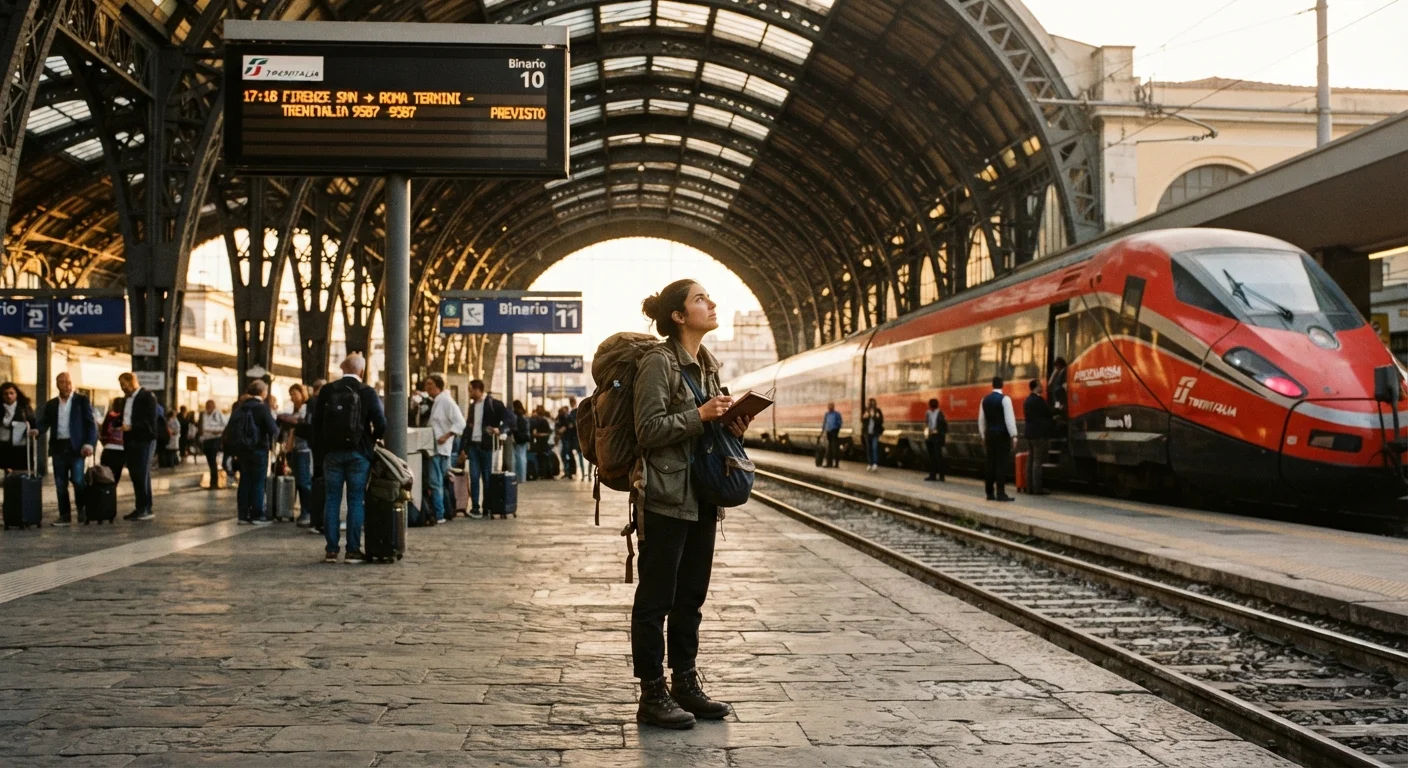
Solo travel isn't a personality type - it's a logistics model. You make every call: where to eat, when to leave, whether to spend an extra day somewhere unexpectedly great. That autonomy is the whole appeal. But it also means no one to share the navigation, split the hotel bill, or sit with you when the train is delayed three hours in a language you don't speak.
For American travelers specifically, a few realities shape the experience. The U.S. passport is strong - opening visa-free access to over 180 countries - but American travelers are sometimes highly visible abroad, which carries its own considerations around situational awareness. Currency, healthcare systems, and emergency protocols vary dramatically by destination. Before departure, reviewing the full logistics and documents checklist for your specific trip type is time well spent.
The practical baseline: solo travel rewards preparation. The more research you do before you leave, the more spontaneous you can afford to be once you arrive.
The Real Advantages of Going It Alone
Strip away the Instagram aesthetics and solo travel still delivers concrete, meaningful benefits that group travel genuinely can't replicate.
Complete control over every itinerary decision
You choose the pace, the priorities, and the pivots. If a city grabs you unexpectedly, you can stay longer without negotiating with anyone.
Deeper personal growth and self-reliance
Solving problems independently - a missed connection, a language barrier, a changed plan - builds confidence that transfers well beyond travel.
Easier spontaneity and last-minute changes
One person is far easier to reroute than a group. Solo travelers can take advantage of opportunities that would require group consensus to pursue.
More organic connections with locals and other travelers
Traveling alone makes you more approachable and more likely to initiate conversations, often leading to more memorable and authentic interactions.
Travel entirely on your schedule and energy level
No pressure to keep up or slow down for others. If you need a rest day, you take one - without affecting anyone else's experience.
One underrated advantage: solo travelers often connect more naturally with locals and other travelers precisely because they aren't sealed inside a group bubble. Staying in a hostel common room or eating at a bar counter forces interactions that a group dinner table doesn't. If you're weighing how much structure to build into your trip, this comparison of fixed vs. open-ended itineraries lays out the tradeoffs clearly - and those tradeoffs hit differently when you're traveling alone.
The Honest Disadvantages You Should Expect
Solo travel has real costs - financial, emotional, and practical. Naming them upfront prevents the frustration of feeling blindsided mid-trip.
Single-supplement costs inflate accommodation expenses
Hotels and many tour operators charge solo travelers nearly the same as a couple, making per-person costs significantly higher than when splitting with a partner or group.
All logistics and problem-solving fall on one person
From missed flights to lost luggage to sudden illness, there's no built-in support system. Every complication requires you to handle it alone, often under stress.
Loneliness is a genuine, recurring challenge
Extended solo travel can feel isolating, particularly during meals, long transit legs, or destinations where group social dynamics dominate the traveler scene.
Heightened safety considerations, especially in unfamiliar areas
Solo travelers - particularly solo women - face a statistically higher risk of being targeted for scams, theft, or harassment. Vigilance and preparation are essential, not optional.
No shared decision-making when uncertainty arises
Ambiguous situations - an unlicensed taxi, an unclear neighborhood, a sketchy-looking accommodation - require solo judgment calls with no second opinion available.
180+
Countries accessible visa-free on a U.S. passport
The Henley Passport Index consistently ranks the U.S. passport among the world's most powerful for visa-free or visa-on-arrival access.
~25%
Of international leisure trips taken solo
Various travel industry surveys have found roughly one in four international leisure travelers depart without a companion, a share that has grown steadily over the past decade.
The single-supplement charge is one of the most concrete financial hits: many hotels, cruises, and tour operators charge solo travelers 75-100% of the double-occupancy rate simply because the room or cabin is designed for two. Planning around this - choosing hostels, apartment rentals, or smaller guesthouses - takes deliberate effort. For Americans tackling more complex international routes, the multi-country Europe preparation guide covers how to structure logistics so solo travel doesn't become solo chaos.
Practical Preparation Steps Before You Leave
Good solo travel preparation follows a specific sequence. Start with the non-negotiables:
- Enroll in STEP: The U.S. State Department's Smart Traveler Enrollment Program notifies your nearest embassy of your trip and gets you emergency alerts. It takes five minutes and costs nothing.
- Share your itinerary: Leave a detailed copy - accommodations, contact numbers, key dates - with someone at home. Update it if plans change significantly.
- Health and insurance coverage: Most U.S. health plans provide limited or no coverage abroad. Travel medical insurance is a separate purchase worth serious consideration for international trips. Consult a licensed insurance professional about options suited to your circumstances.
- Digital and physical backups: Store copies of your passport, visa, travel insurance policy, and emergency contacts both in a secure cloud folder and as physical copies kept separate from the originals.
- Destination-specific research: Entry requirements, local laws, currency norms, and safety conditions vary significantly. Always verify current information through official government sources - not just travel blogs - before departure.
Always Verify Entry and Safety Conditions Officially
Travel advisories, visa rules, and entry requirements change - sometimes with little notice. Before any international solo trip, check the U.S. State Department's travel advisory page (travel.state.gov) and the destination country's official embassy or consulate website for the most current requirements. Travel blogs and booking platforms are not authoritative sources for entry rules or safety conditions.
For the planning style itself, the pre-trip planning checklist is a solid anchor - it's designed for Americans and covers the steps most travelers skip until something goes wrong.
Managing Loneliness and Safety on the Road
Loneliness and safety are the two concerns solo travelers most commonly underestimate - and they're related. Feeling isolated can push travelers toward poor judgment: accepting rides from strangers, oversharing location information, or skipping check-ins with people at home because the trip is going fine so far.
Build social moments deliberately. Booking a group day tour, joining a cooking class, or staying in a social accommodation for even one or two nights during a longer trip breaks the isolation without surrendering your independence. Destinations with established solo-traveler infrastructure - Portugal, Japan, Iceland, New Zealand - tend to make this easier. Portugal's traveler guide is worth reading if you're considering a first solo international trip to Europe.
On safety: trust pattern recognition over politeness. If a situation feels off, leaving is always the right call. Avoid broadcasting your solo status unnecessarily, keep accommodation details private with new acquaintances, and stay aware of your surroundings in unfamiliar areas - particularly at night. No destination is universally safe or universally dangerous; conditions vary by neighborhood, time of day, and circumstance.