

Key Takeaways
Shoulder Season
Shoulder season refers to the travel periods that fall between a destination's peak season and its off-season - typically spring (April-May) and fall (September-October) for most U.S. destinations. During these windows, visitor volume drops but most attractions, accommodations, and services remain open. Conditions are often more moderate than peak summer or winter months.
The exact dates of shoulder season vary significantly by destination and region; a beach town's shoulder season may not align at all with a mountain resort's. Always research destination-specific patterns rather than assuming universal dates.
Why Shoulder Season Matters for Trip Planning
If you've ever arrived at a beloved U.S. destination only to find gridlocked parking lots, sold-out lodging, and hour-long waits, you've experienced peak season firsthand. Shoulder season exists as the natural counter to that reality - a window when the destination is still alive and worth visiting, but the pressure has backed off significantly.
Understanding this concept isn't just trivia. It's a practical planning framework. When you know a destination's shoulder windows, you can align your travel dates with conditions that genuinely suit your priorities - whether that's open space on popular trails, available accommodations at a range of options, or simply a less frantic atmosphere.
For context on how regional weather shifts affect these calculations, see our guide to U.S. weather patterns by season.
~330M
Annual U.S. national park visits
According to the National Park Service, visitation has exceeded 300 million annually in recent years, with the bulk concentrated in summer months - underscoring why timing matters.
2-3 months
Typical shoulder season window per destination
Most U.S. destinations have recognizable shoulder windows of roughly two to three months on either side of their peak period, though exact dates vary by location.
How Shoulder Season Varies by Destination Type
One of the most important things to understand is that shoulder season is not a universal calendar date - it's destination-specific. A Florida beach town's shoulder season might be late spring, when school hasn't yet let out but temperatures are warm. Meanwhile, a Colorado mountain town's shoulder season might be October and November, after summer hiking crowds leave but before ski season begins.
Coastal Destinations
Many East and West Coast beach destinations experience shoulder season in May-June and September-October. Weather is typically warm enough for outdoor activity but the summer vacation rush hasn't peaked. Keep in mind that hurricane season affects parts of the Southeast and Gulf Coast in late summer and fall.
Mountain and National Park Regions
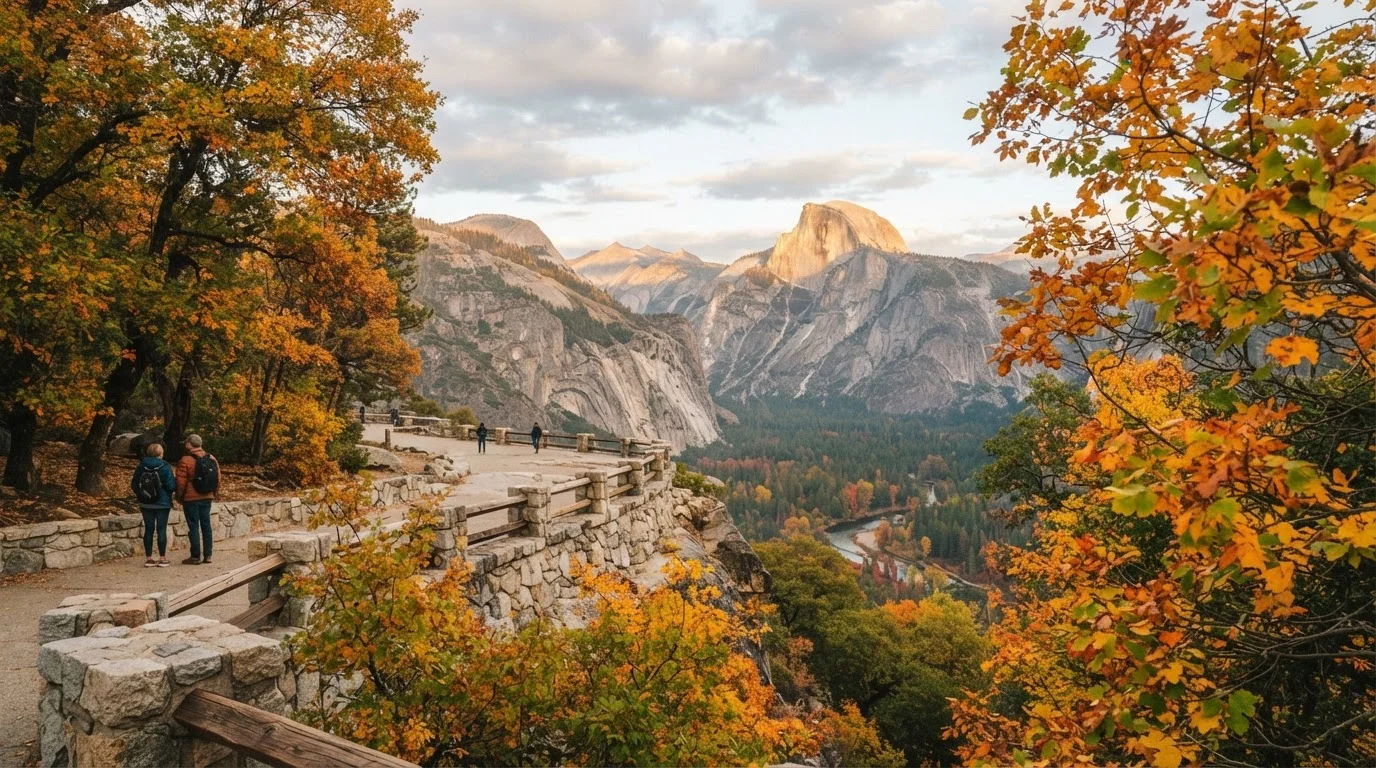
For high-elevation parks and mountain destinations, spring and fall offer smaller crowds but come with real weather variability. Snow can arrive early in October at elevation. First-timers to national parks should especially take note - reservation systems and seasonal access rules shift significantly outside peak summer months.
Cities and Urban Destinations
Major U.S. cities have shoulder seasons too - typically periods without major conventions, festivals, or holidays that inflate hotel demand. Cities in the South often see shoulder windows in fall and early spring, before summer heat intensifies.
Weather Trade-Offs and What to Prepare For
Shoulder season weather is the central variable every traveler needs to plan around. The same conditions that reduce crowds - transitional seasons - also bring unpredictability. A shoulder-season trip to the American Southwest in March can be glorious or blustery depending on the week. For destination-specific insights, the Southwest's layered appeal is worth exploring year-round.
Build Flexibility Into Shoulder Season Plans
Shoulder season weather can shift quickly - a warm forecast can turn rainy within a day at coastal or mountain destinations. Keeping at least one low-key, weather-flexible day in your itinerary gives you room to pivot without stress. Identify indoor alternatives or shorter driving routes in advance so you're not scrambling if conditions change.
The practical approach is to build flexibility into shoulder-season itineraries. Rather than locking in a rigid day-by-day schedule, identify backup options for activities that are weather-dependent. A travel buffer day - a loosely scheduled day that absorbs delays or pivots - becomes especially useful when weather forecasts aren't reliable weeks in advance.
Always verify entry requirements, park access, and seasonal service schedules with official sources before traveling, since conditions can change and this article provides general context only.
Practical Frameworks for Planning a Shoulder Season Trip
The key shift in planning for shoulder season is research focus. Instead of asking "when is this place least crowded?" ask "what's actually open, what's the weather likely to be, and what's my fallback if conditions change?"
- Verify operating schedules: Check that specific attractions, park facilities, and tour operators run during your target dates - not just peak season hours.
- Monitor local event calendars: A regional festival or major sports event can spike demand even in a shoulder month, affecting availability across the board.
- Layer in flexibility: Book accommodations with reasonable change or cancellation terms where possible. Spontaneous pivots are more feasible in shoulder season when demand is lower. See our look at spontaneous vs. planned travel trade-offs for more on this balance.
- Pack for range: Shoulder season often means warm afternoons and cool mornings. Layering is a practical necessity, not optional.
For a broader checklist of often-skipped steps, overlooked planning details is a useful companion read. And if you're heading out solo, solo travel preparation offers honest context on navigating the unexpected alone.
Shoulder Season Varies More Than You'd Expect
The concept of shoulder season is broadly consistent, but the specific dates and conditions differ enough between destinations that generic advice can mislead. A destination that feels uncrowded to one traveler might still feel busy to another depending on their baseline expectations. Research your specific destination's visitor patterns - not just the general season concept - before committing to dates.