

Key Takeaways
Brake Noise
Brake noise refers to any unusual sound - squealing, grinding, clicking, or pulsing - produced when you apply your vehicle's brakes. These sounds are often deliberate warning signals built into the braking system, or they indicate mechanical wear, damage, or a condition that needs professional attention. Identifying the type of noise helps narrow down which component is the likely source.
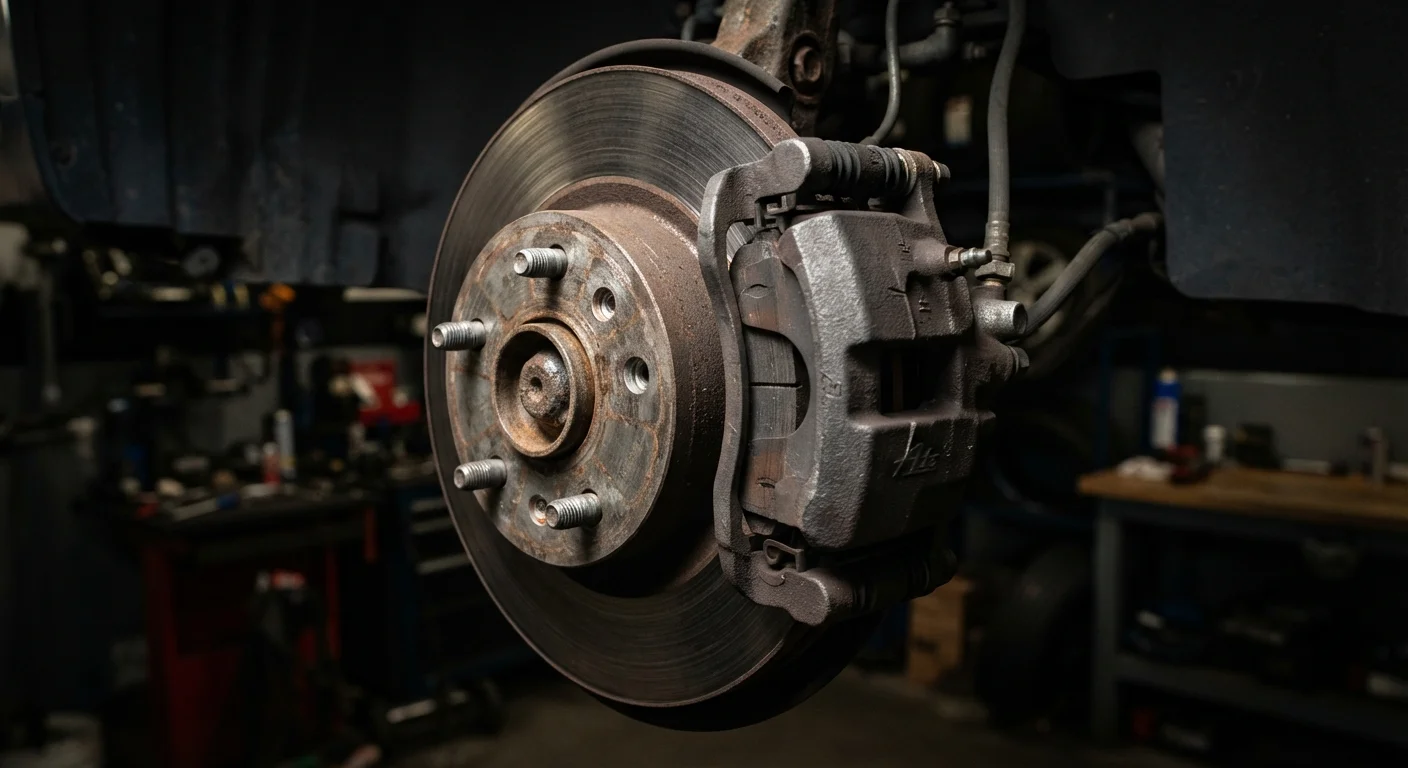
Modern disc brake systems use hardened steel wear indicators attached to the brake pad backing plate; when the pad material wears thin, the indicator contacts the rotor and produces a high-pitched squeal - an intentional auditory alert engineered into the design.
The Squeal: Worn Pads Announcing Themselves
The most common brake noise - a high-pitched squeal or screech - is frequently an engineered warning rather than a random malfunction. Brake pad manufacturers attach small hardened steel tabs called wear indicators to the pad backing. When the friction material wears down to a critical threshold, these tabs make contact with the spinning rotor and produce a distinctive squeal. Think of it as a built-in alarm telling you it's time for service.
Not every squeal means worn pads, however. A light surface rust film can accumulate on rotors after rain or overnight dew. The first few brake applications typically scrub that layer away, and the noise disappears within a mile. If the squealing stops after warming up, moisture is the probable culprit. If it persists throughout your drive, have the brake system inspected.
Check Your Brakes at Every Tire Rotation
Most tire rotations give a mechanic direct access to the brake components. Ask for a visual brake inspection at the same interval - typically every 5,000 to 7,500 miles - so wear is caught early, before it becomes a noise or a safety issue.
For a deeper look at how pad wear relates to rotor condition, see our guide on brake pads vs. rotors.
Grinding: When the Warning Goes Unheeded
A grinding sound is a more urgent signal. It typically means the pad's friction material has worn through completely, and the metal backing plate is now pressing directly against the rotor surface. Metal-on-metal contact does two things simultaneously: it dramatically reduces braking effectiveness and rapidly damages the rotor, turning what could have been a pad replacement into a costlier rotor replacement as well.
Grinding can also stem from a foreign object - a small stone or road debris - lodged between the pad and rotor. This type of grinding often disappears on its own after a few braking cycles, but if it continues, a mechanic should confirm the rotor surface hasn't been scored. Either way, persistent grinding warrants prompt professional inspection rather than a wait-and-see approach.
Brake Noise After New Pad Installation
Some squealing during the first 100-200 miles after new brake pads are installed is normal. New pads require a bedding-in period during which the friction material seats against the rotor surface. If squealing continues well beyond the break-in period, have the installation verified by a mechanic.
Pulsing, Clicking, and Other Brake Sounds
A pedal that pulses or vibrates underfoot during braking points to rotors that have warped or developed uneven thickness - a condition common after repeated aggressive braking that generates excess heat. As the rotor's surface varies in thickness, the pads intermittently grip and release, sending a rhythmic pulse back through the pedal. Rotors can sometimes be resurfaced if enough material remains; otherwise replacement is the standard remedy.
A clicking or clunking sound when braking - especially at low speeds - can indicate loose brake hardware, a worn caliper mounting bracket, or anti-rattle clips that have failed. These noises are worth addressing because loose components can cause uneven pad contact and accelerated wear.
Brake fluid condition is another often-overlooked factor. Low or contaminated fluid affects hydraulic pressure and can contribute to a soft pedal and inconsistent feel. Our overview of under-the-hood fluids explains what brake fluid does and why it degrades over time.
~25%
Vehicles with inadequate brake condition
Federal roadside inspection data has historically found roughly one in four commercial and passenger vehicles with brake-related deficiencies during enforcement checks.
3-7 mm
New brake pad friction material thickness
Most new passenger vehicle brake pads start with 3-7 mm of friction material; many manufacturers recommend inspection or replacement at or below 2-3 mm remaining.
When to Act - and When to Call a Mechanic
As a general rule: any brake noise that appears suddenly, persists across driving conditions, or is accompanied by pulling to one side, a soft pedal, or increased stopping distance should be evaluated by a qualified mechanic without delay. Brakes are a safety-critical system, and self-diagnosis has limits. Visual inspection through the wheel spokes can reveal obvious pad wear or rotor scoring, but accurately measuring pad thickness and rotor thickness variation requires proper tools.
Certain driving habits accelerate brake wear significantly. Riding the brakes on long descents, making frequent hard stops from highway speeds, and repeatedly stopping heavily loaded vehicles all shorten service intervals. The habits that quietly shorten a car's lifespan article outlines how small behavioral changes can meaningfully extend brake component life.
If your dashboard has illuminated a brake warning light alongside any of the noises described here, consult our guide to car warning lights, decoded to understand what that indicator signals before you drive further.
This article is for general informational purposes only. Brake systems are safety-critical components - always consult a qualified mechanic for diagnosis, repair, and confirmation that your vehicle is safe to operate.