

Pets & Animals

Bringing a Small Pet Home: A Preparation Checklist

Share
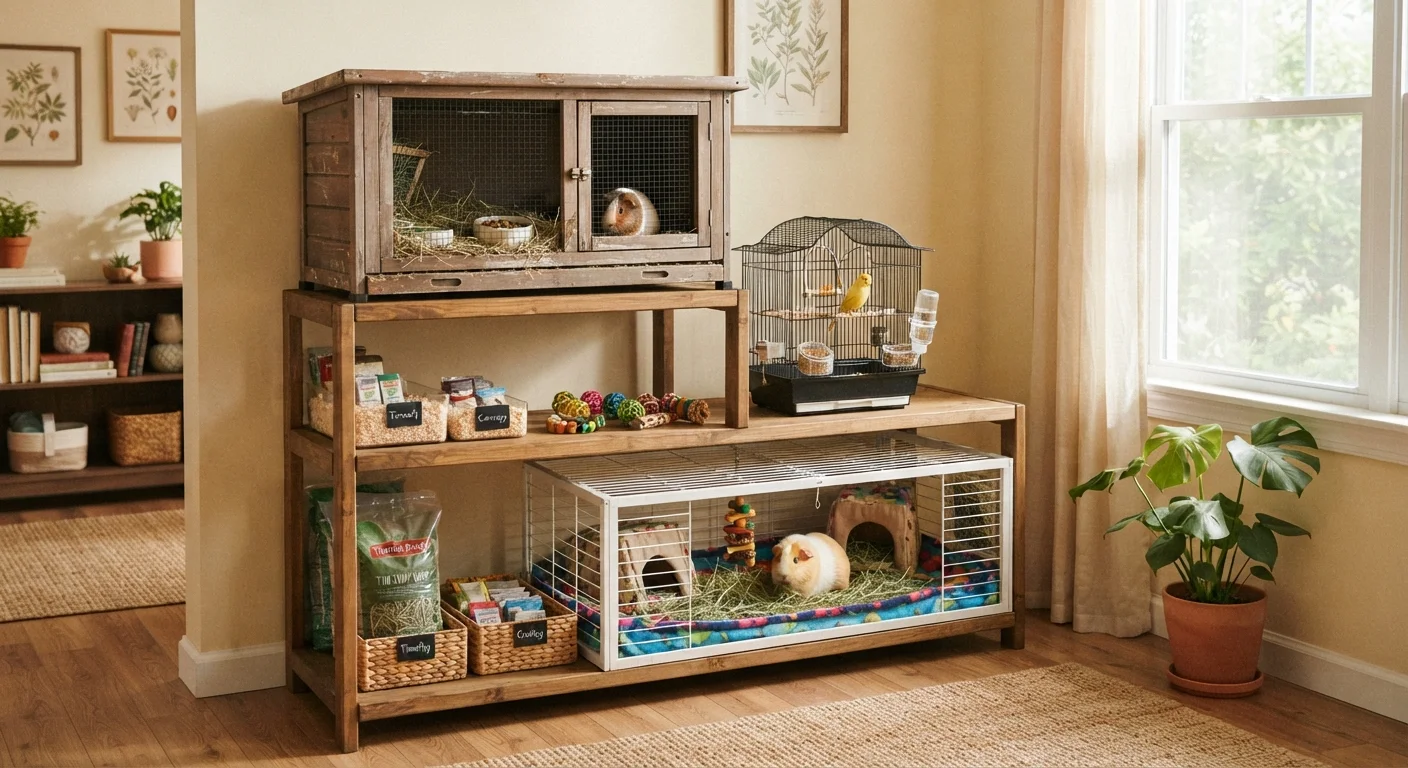
A prepared corner of a home featuring a rabbit hutch, birdcage, and guinea pig enclosure with supplies

Key Takeaways

Enclosure size and placement matter more than most first-time owners expect.
Species-appropriate diet supplies should be purchased before your pet arrives home.
Finding an exotic or small-animal vet in advance prevents scrambling during a health emergency.
A quiet, low-stress first 48 hours supports successful adjustment for rabbits, guinea pigs, and birds alike.
Housing guinea pigs and rabbits together poses serious health and behavioral risks.
30–60 min

Summary

22 items · 30–60 minutes

Why Preparation Matters Before Arrival Day

Small pets — rabbits, guinea pigs, and birds especially — are more sensitive to environmental stress than many owners anticipate. An under-prepared home means scrambling for supplies while your new companion is already anxious. Working through this checklist before pickup day lets you focus on the animal, not logistics.

A few important notes before you start. Guinea pigs and rabbits may look like natural housemates, but housing them together creates real risks — plan separate enclosures from the start. If you're bringing home a rabbit specifically, the comprehensive rabbit care guide covers housing, diet, and behavior end to end and is worth reading alongside this checklist.

Never House Rabbits and Guinea Pigs Together

Despite their similar size and gentle reputations, rabbits and guinea pigs should never share an enclosure. Rabbits can injure guinea pigs unintentionally with their powerful hind legs, and rabbits can carry Bordetella bacteria that is harmless to them but can cause serious respiratory illness in guinea pigs. Plan for entirely separate housing setups from the start.

Tools and Supplies You'll Need

Gather or confirm the following before your pet's first day. Specifics vary by species, so use the list below as a starting framework and cross-reference species-specific guides for precise requirements.

Required

Appropriately sized enclosure or cage

Provides your pet's primary living space — dimensions must meet minimum species requirements.

Required

Hay rack or foraging feeder

Keeps hay accessible and clean for rabbits and guinea pigs, who should have unlimited access at all times.

Required

Water bottle or heavy water dish

Delivers a consistent, uncontaminated water supply — critical for preventing dehydration.

Required

Paper-based or fleece bedding

Provides a safe, absorbent substrate for small mammal enclosures; avoid cedar or pine shavings.

Required

Hideout or shelter box

Gives your pet a secure retreat, which reduces stress and supports natural hiding behavior.

Required

Species-appropriate enrichment toys

Supports physical activity and mental stimulation from day one, reducing boredom-related behaviors.

Required

Small-animal safe cleaning supplies

Allows regular, non-toxic enclosure cleaning without exposing your pet to harmful chemical residues.

Required

Carrier or travel container

Needed to transport your pet home safely and for future veterinary visits.

Your Complete Preparation Checklist

Work through each group below. Items marked must are non-negotiable before arrival; should items are strongly recommended; nice to have items improve quality of life once the basics are covered.

Enclosure & Environment

Choose an enclosure sized appropriately for your species — rabbits need a minimum of 12 sq ft of living space; guinea pigs require at least 7.5 sq ft per pair; birds need a cage tall and wide enough to spread their wings fully. Must
Position the enclosure away from direct sunlight, drafts, heating vents, and high-traffic areas to minimize stress. Must
Ensure the room temperature is appropriate for your species — guinea pigs are comfortable between 65–75°F and are vulnerable to heatstroke above 80°F. Must
Remove or secure toxic houseplants, electrical cords, and small ingestible objects within any free-roam area. Must
Add species-appropriate bedding or substrate — paper-based or fleece bedding for guinea pigs and rabbits; natural wood or rope perches for birds. Must
Provide at least one hideout or shelter inside the enclosure so your pet can retreat and feel secure. Should

Diet & Feeding Setup

Stock species-appropriate staple food before arrival — unlimited grass hay for rabbits and guinea pigs; a nutritionally complete pellet formulated for your bird species. Must
Purchase a heavy ceramic or attach-on food dish that cannot be tipped easily, and a sipper bottle or water dish suited to your animal. Must
Research which fresh vegetables and fruits are safe for your species — and which are harmful — before offering any supplemental foods. Must
For rabbits, review age-appropriate feeding guidance to confirm portion sizes and suitable vegetables. Should
Avoid treats or supplemental seeds in excess during the first week to establish baseline eating habits before introducing variety. Should

Veterinary Readiness

Identify an exotic-animal or small-mammal/avian veterinarian in your area and confirm they see your species before bringing your pet home. Must
Schedule a wellness check within the first two weeks of arrival to establish a baseline health record. Should
Ask the breeder, rescue, or shelter for any health records, vaccination history, or parasite treatment notes to share with your vet. Should
Keep a basic small-pet first-aid reference (print or digital) on hand and know the after-hours emergency vet nearest to you. Nice to have

Enrichment & Socialization

Provide at least one species-appropriate enrichment item from day one — a chew toy for rabbits and guinea pigs, a foraging toy or untreated branch for birds. Must
Plan a daily handling and interaction routine appropriate to your species — birds especially require consistent social engagement to prevent behavioral issues. Should
Rotate enrichment items weekly to maintain novelty and prevent boredom, particularly for birds as detailed in bird enrichment guidance. Nice to have
Set up a designated, supervised free-roam space outside the enclosure for rabbits and guinea pigs to exercise safely each day. Should

Find a Small-Animal Vet Before You Need One

Not all veterinary practices see rabbits, guinea pigs, or birds — these are considered exotic species by many clinics. Searching for an available exotic-animal vet during a health emergency adds dangerous delays. Identify and contact a qualified practice before your pet arrives home, and confirm they can see your specific species.

Setting Up for a Smooth First Week

Once all checklist items are ticked, do a final walk-through of the enclosure from your pet's perspective. Check for sharp edges, gaps a small animal could squeeze through, and any household plants within reach — many common houseplants are toxic to rabbits, guinea pigs, and birds.

Plan to keep the first 48 hours calm and low-traffic. Resist the urge to handle your new pet constantly; allow them to explore their space and settle on their own terms. Watch for subtle signs that something may be off — small animals instinctively mask discomfort. Familiarize yourself with the behavioral and physical changes that warrant a vet visit so you know what to look for from day one.

For bird owners, mental stimulation is an ongoing responsibility that starts immediately. Foraging toys, varied perches, and social interaction all play a role in psychological wellbeing — build enrichment into your routine from the start, not as an afterthought.

This article is for general informational purposes only and does not constitute veterinary advice. Always consult a licensed veterinarian for guidance specific to your pet's health and species.

Pets & Animals Editorial Team is the collective byline for our editorial team and contributor network. Articles published under this byline or an editorial pen name are researched, written, and reviewed according to our editorial standards for clarity, consistency, and independence before publication.

View all articles by Pets & Animals Editorial Team →
Disclaimer: The content provided on our blog site traverses numerous categories, offering readers valuable and practical information. Readers can use the editorial team’s research and data to gain more insights into their topics of interest. However, they are requested not to treat the articles as conclusive. The website team cannot be held responsible for differences in data or inaccuracies found across other platforms. Please also note that the site might also miss out on various schemes and offers available that the readers may find more beneficial than the ones we cover.