

Key Takeaways
Summary
22 items · 2-5 hours over one weekend
Why Fall Is the Right Time to Act
Cold weather doesn't just arrive - it exploits every gap your home has ignored all year. Drafty door frames, uninsulated pipes, clogged gutters, and a neglected furnace filter all become expensive problems once temperatures drop. Working through a structured checklist in early fall gives you time to source materials, schedule any professional help, and avoid the rush that hits when the first freeze is forecast.
This checklist is part of a broader seasonal home maintenance plan that covers upkeep across all four seasons. Use it alongside your yard winterizing tasks to make the most of a single weekend's work.
Tasks are grouped by area of your home. Work through them in order - starting with the envelope (the outer shell), then mechanical systems, then interior safeguards.
Caulk gun and exterior-grade caulk
Seals gaps around window frames, door trim, and any wall penetrations to block cold air infiltration.
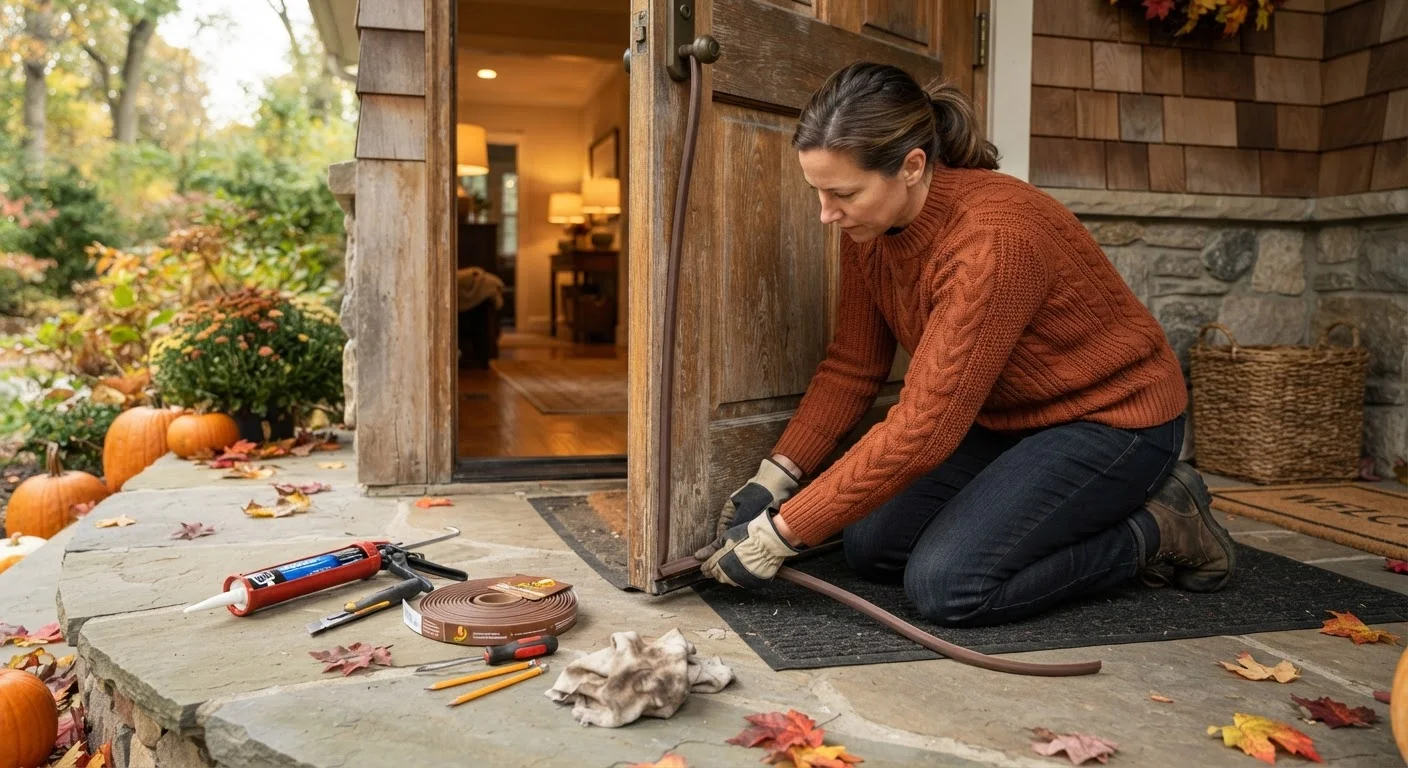
Weatherstripping (foam, felt, or V-strip)
Replaces worn seals along door and window edges to eliminate drafts.
Pipe insulation foam sleeves
Wraps exposed plumbing in unheated areas to reduce the risk of freezing.
Furnace air filter (correct size for your unit)
Keeps airflow clean and efficient throughout the heating season.
Ladder (extension or step)
Needed for safely accessing gutters, downspouts, and low roof edges.
Flashlight or headlamp
Allows inspection of dark spaces including crawl spaces, attics, and behind insulation.
Window insulator film kit
Adds an extra thermal layer to single-pane or drafty windows at low cost.
Expanding foam spray (low-expansion)
Fills larger gaps and penetrations in attic floors or around exterior wall entries.
The Winterproofing Checklist
Work through the categories below in sequence. Mark each item as you go. Items labeled must address known failure points that can result in structural damage, frozen pipes, or significant heat loss. Items labeled should are strongly recommended but may vary by climate or home type. Nice-to-have items are worthwhile enhancements if time and budget allow.
Doors, Windows & Air Sealing
Attic & Insulation
Roof, Gutters & Exterior
Heating System & Vents
Pipes & Plumbing
Working on Roofs and Ladders Safely
Roof and gutter work carries a fall risk. Always use a stable, properly rated ladder on level ground, and have a second person present to stabilize it. Avoid working on the roof in wet or icy conditions. If you are not comfortable working at height, hire a professional - this is one of the most common sources of serious home-related injury.
Do Not DIY Gas Furnace Repairs
Inspecting and replacing furnace filters is a homeowner task, but anything involving the heat exchanger, gas valve, burners, or flue venting must be performed by a licensed HVAC technician. A cracked heat exchanger can leak carbon monoxide into living spaces without any visible warning. Ensure you have working carbon monoxide detectors on every level of your home.
A Note on DIY Limits and Professional Help
Most tasks on this list are within reach of a motivated homeowner with basic tools. However, some jobs carry real risk if done incorrectly. Gas furnace servicing, electrical work near heating equipment, and structural roof repairs should be performed by licensed professionals. When in doubt, budget for a qualified contractor - the cost is nearly always less than the repair it prevents.
If your home is older or has known issues with insulation, it's worth reviewing insulation types and R-value options before winter sets in. Likewise, if you notice any soft spots on the roof or water staining on interior ceilings, read up on how small roof leaks escalate before assuming the issue is minor.
For plumbing shutoffs and emergency controls - information you'll want before a pipe bursts - see our guide on locating your home's critical systems. Knowing where your main water shutoff is could save thousands of dollars in the event of a freeze.
Check Permits Before Structural or Insulation Work
Adding insulation to finished walls, making significant changes to attic ventilation, or altering ductwork may require a building permit in your municipality. Requirements vary widely by location. Always check with your local building department before starting any project beyond basic maintenance - unpermitted work can create complications when selling your home and may void homeowner's insurance coverage for related claims.
This article provides general home maintenance guidance for informational purposes only. Always verify local building codes, permit requirements, and safety regulations before beginning any project. For work involving gas lines, structural components, or electrical systems, consult a licensed professional.