

Key Takeaways
Why Raised Beds Work
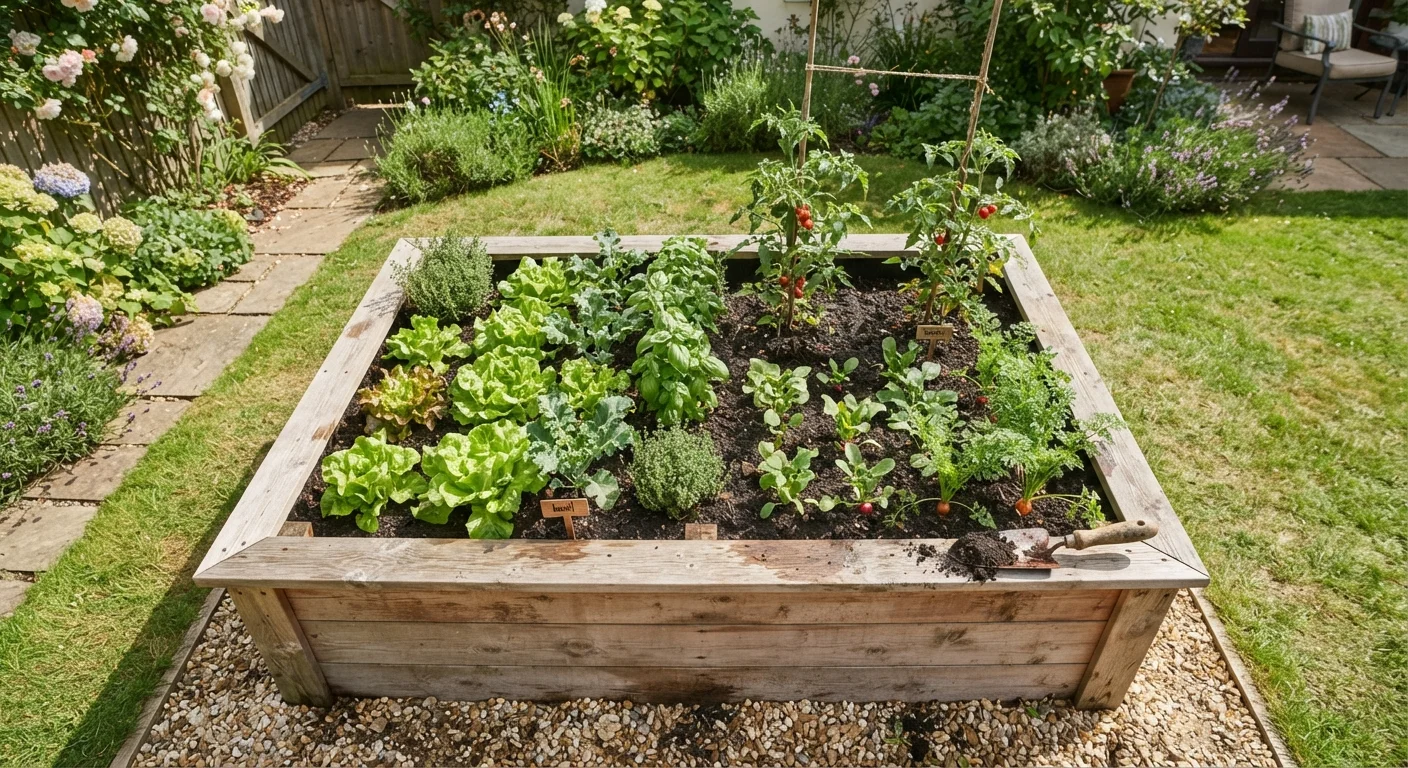
Raised beds aren't a trend - they're a structural solution to some of gardening's most persistent problems. By elevating your growing medium above grade, you take direct control over soil quality, drainage, and root zone temperature. That control translates into measurable results: fewer compaction issues, earlier spring planting, and noticeably less time spent weeding.
In heavy clay soils, in-ground planting means fighting poor drainage season after season. In sandy soils, moisture and nutrients disappear before roots can use them. A raised bed sidesteps both problems by letting you fill the space with an optimized growing mix from the start.
Raised beds also create a natural barrier that disrupts weed seed germination patterns. Ground-level weeds still appear along edges, but rhizomatous grasses and deeply rooted perennials have a harder time invading. For more on managing what does get through, see our guide to identifying and controlling common garden weeds.
47%
Earlier planting possible in spring
University cooperative extension research suggests raised beds can warm 8-10°F faster than surrounding ground, enabling earlier planting in many US climates.
4 ft
Optimal raised bed width
Extension services consistently recommend a maximum 4-foot bed width so gardeners can reach the center without compacting soil by stepping in.
2 inches
Recommended mulch depth
A 2-inch mulch layer has been shown to reduce soil moisture loss and suppress weed germination in vegetable garden beds, according to land-grant university garden guides.
Choosing Materials and Building Your Bed
The frame keeps your soil in place and sets the bed's lifespan. Cedar and pine are widely available across the US and resist decay reasonably well at modest cost. Cedar naturally contains oils that slow rot, making it a long-lasting option. Pine is less expensive and serviceable, especially if you seal cut ends with linseed oil.
Avoid Certain Treated Woods Near Food Crops
Railroad ties and legacy pressure-treated lumber can leach chemical preservatives into bed soil over time. For any bed growing vegetables, herbs, or fruit, stick to untreated cedar, pine, or composite lumber made for garden use. When in doubt, check labeling and consult your local cooperative extension office for current recommendations.
Avoid railroad ties and older pressure-treated lumber (designated ACQ or CCA) near food-producing beds - chemical preservatives can leach into soil. Newer generation pressure-treated lumber (marked UC4B) is considered lower-risk by many extension services, but for edible gardens most gardeners prefer to use untreated wood or composite lumber made from recycled materials.
For most home gardens, a 4-foot wide by 8-foot long frame works well. Height matters more than many beginners expect: 10 to 12 inches is the practical minimum for most vegetables, while root crops like carrots benefit from 16 to 18 inches. Taller beds also reduce bending, which matters for gardeners with mobility limitations.
Assembly is straightforward with 2×10 or 2×12 boards. Butt the boards at corners and fasten with exterior-grade screws or galvanized corner brackets. No special tools required beyond a drill, level, and measuring tape. If your site slopes, level the frame from side to side before filling - an unlevel bed creates uneven watering patterns.
Line the bottom of your raised bed with cardboard before adding soil. It suppresses perennial grass and weeds from below, breaks down within a season, and adds organic matter as it decomposes.
Cardboard acts as a temporary physical barrier that costs nothing if you save moving boxes, and it integrates naturally into the soil ecosystem rather than leaving behind plastic or fabric residue.
When filling a new bed, water the soil mix in layers as you add it rather than all at once after filling. This eliminates large air pockets that cause uneven settling and dry spots.
Air pockets in newly filled beds create dead zones where roots dry out before establishing - watering in layers compacts the mix just enough to ensure consistent contact.
The Right Soil Mix
Native ground soil is almost never appropriate for filling raised beds. It compacts under irrigation, drains poorly, and typically lacks the organic matter that drives vegetable production. Instead, build a mix designed for the purpose.
A reliable starting blend for most vegetables: roughly 60% quality topsoil or loam, 30% finished compost, and 10% perlite or coarse sand for aeration. This ratio delivers good water retention, drainage, and the microbial activity that makes nutrients available to roots. Avoid using pure compost - it settles dramatically, can be too rich in nitrogen, and dries out quickly in hot weather.
Making your own compost is one of the most cost-effective ways to replenish beds each season. Our composting guide walks through the process of turning kitchen scraps and yard waste into the amendment your beds will need year after year.
Refresh Soil Each Spring Before Planting
Top-dressing with 1 to 2 inches of finished compost each spring replenishes organic matter lost to decomposition over the prior season. Work it lightly into the top few inches rather than mixing deeply to avoid disturbing beneficial soil organisms near the surface. This single habit keeps beds productive year after year without a full soil replacement.
Plan to top-dress each bed with 1 to 2 inches of fresh compost each spring. Soil level drops as organic matter decomposes, and annual replenishment keeps the growing medium productive without a full refill.
Layout, Spacing, and Plant Selection
Four feet is the golden width for a raised bed - it lets most adults reach the center from either side without stepping inside the frame. Compacted soil is the silent enemy of root development, so keeping foot traffic out is a non-negotiable rule.
Raised beds reward intensive planting. Unlike row gardening, which was designed around machinery, beds allow you to space plants based on their actual canopy needs. Most vegetable seed packets list both row spacing and plant spacing - use the plant-spacing figure as your guide in each direction. This square-foot approach fills the canopy, shades the soil, and limits the bare ground where weeds germinate.
For plant selection, prioritize high-yield crops suited to your USDA hardiness zone. Tomatoes, bush beans, salad greens, radishes, and zucchini perform consistently well in beds across most of the country. For gardeners interested in reducing inputs even further, incorporating native flowering plants around bed edges can attract pollinators and beneficial insects that support the whole garden ecosystem.
Vertical growing - using trellises, cages, or bamboo stakes - effectively doubles your production footprint by moving climbing crops like cucumbers and pole beans upward rather than outward.
Watering, Mulching, and Ongoing Care
Raised beds dry out faster than in-ground gardens because their sides are exposed to air and sun. During warm months, most vegetable beds need the equivalent of 1 to 1.5 inches of water per week. Deep, infrequent watering encourages roots to grow downward, which makes plants more resilient during dry spells.
Drip irrigation is especially effective for raised beds - it delivers water at the root zone, keeps foliage dry (reducing fungal disease), and wastes very little to evaporation. Our comparison of drip and sprinkler systems can help you evaluate the right setup for your property.
A 2-inch layer of mulch applied over the soil surface after transplanting is one of the highest-leverage maintenance steps you can take. It conserves moisture, moderates soil temperature, and slows weed germination. Straw and shredded leaves are low-cost options that break down and feed the soil. Our guide to mulch types covers the tradeoffs between different materials for garden beds.
Don't Let Beds Dry Out Between Waterings
Inconsistent moisture - swinging between dry and waterlogged - stresses vegetable plants and contributes to problems like blossom end rot in tomatoes and tip burn in lettuce. Check soil moisture an inch below the surface every day or two during hot weather. If it's dry at that depth, it's time to water, regardless of what the forecast says.
Harvesting and Seasonal Transitions
Harvesting at the right moment keeps plants productive. Many vegetables - beans, zucchini, cucumbers - stop producing if fruits are allowed to mature fully on the vine. Harvesting frequently, even every day or two at peak season, signals the plant to keep flowering.
For leafy crops like lettuce and spinach, the cut-and-come-again method extends harvest by several weeks: remove outer leaves rather than pulling the whole plant. Once heat triggers bolting (when the plant sends up a flower stalk), flavor deteriorates quickly - pull and replant with a warm-season crop.
At the end of each season, clear out spent plants, pull any weeds before they set seed, and top-dress with compost. In colder climates, a cold frame or row cover fabric placed over the bed in early fall can extend harvest by four to six weeks - worth the modest investment if you grow greens or root vegetables.
Crop rotation across seasons reduces the buildup of soil-borne pathogens. A simple rule: avoid planting the same plant family (such as tomatoes and peppers, which are both nightshades) in the same bed two seasons in a row. With multiple beds, rotate families systematically each year.
“The best time to build a raised bed was last spring. The second best time is today. Even a small 4-by-4-foot bed gives a gardener more control over their growing conditions than most in-ground plots three times the size.”
— Home & Garden Editorial Team, Editorial research and practical gardening guidance